Source: ECHS
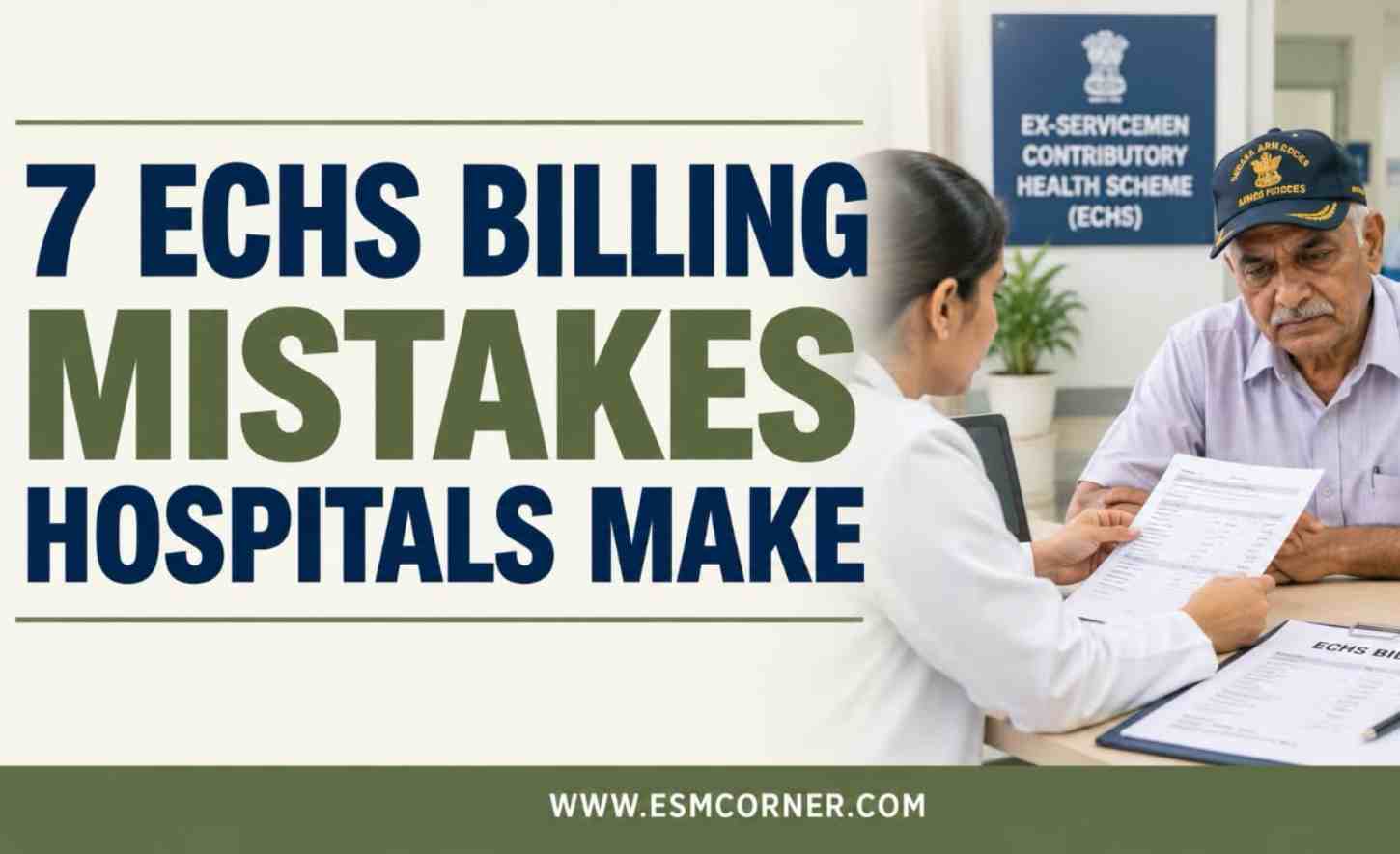
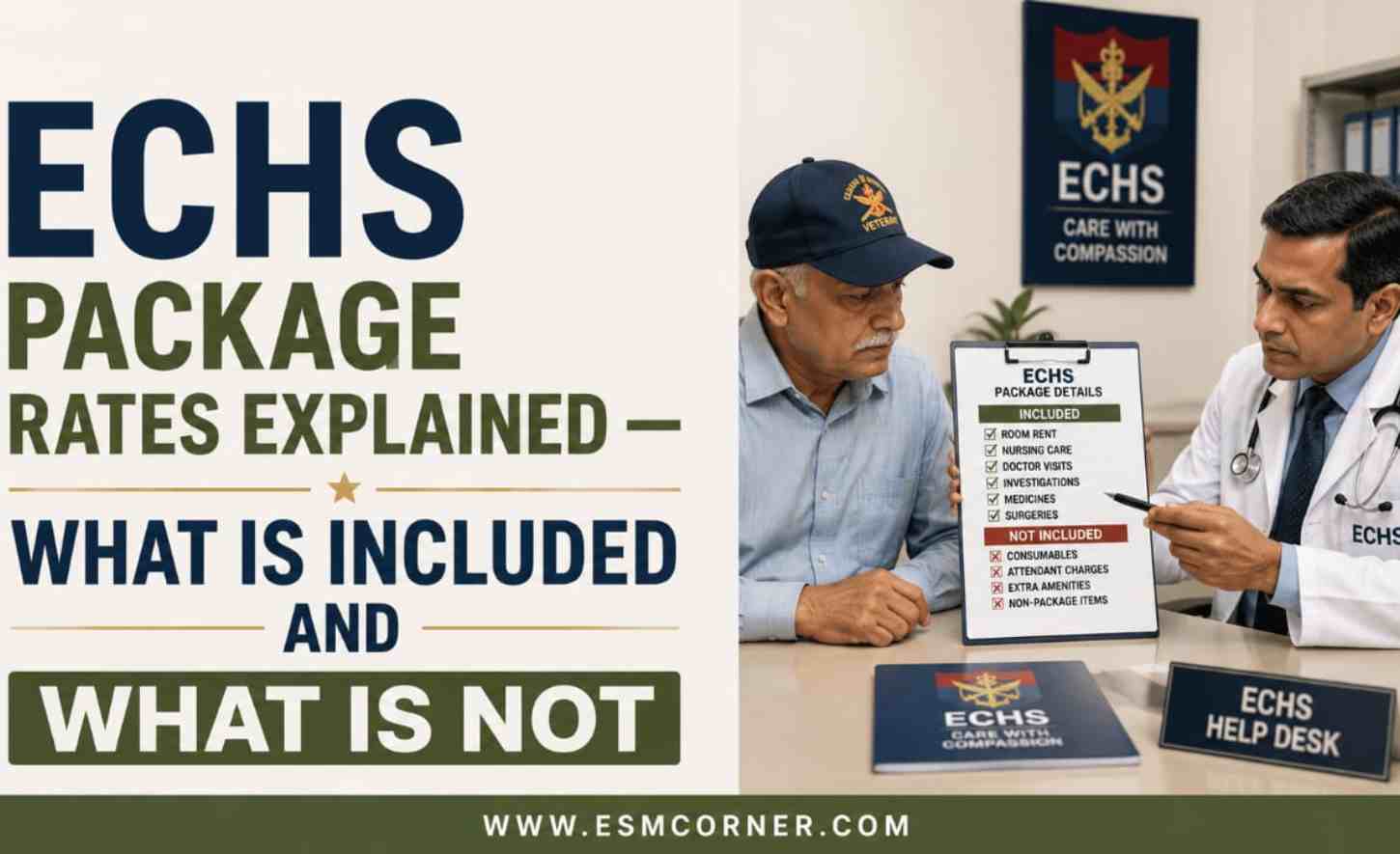
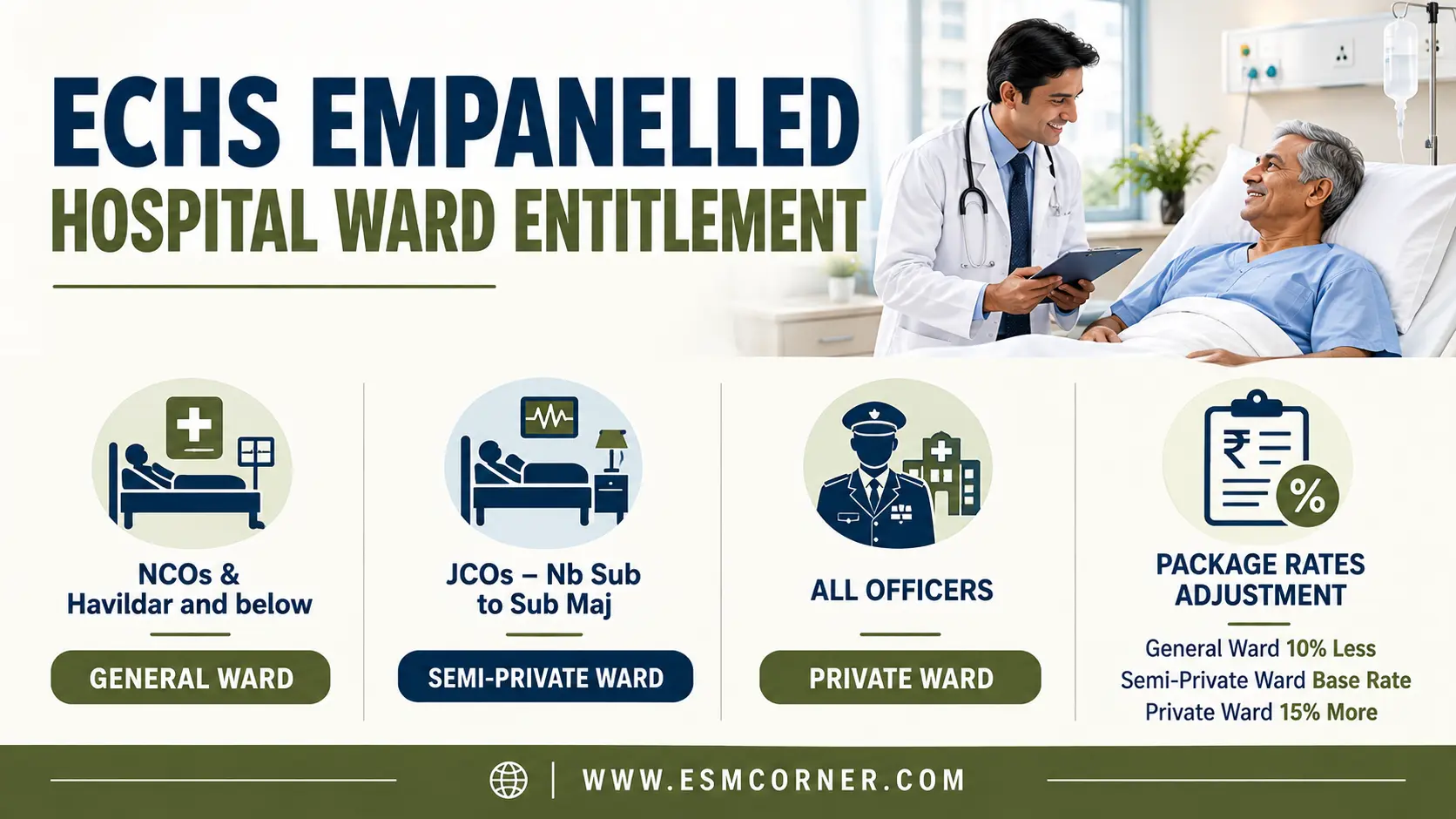
ECHS (Ex-Servicemen Contributory Health Scheme) empanelled hospitals are meant to give you cashless treatment without charging you separately for anything already covered in your approved treatment package. Yet many veterans still receive final bills with charges they should never have had to pay. This article lists seven billing mistakes empanelled hospitals commonly make, based on official ECHS rules, so you can check your own hospital bill with more confidence.
- Charging separately for blood sugar test strips — Some hospitals bill separately for glucometer strips when checking your blood sugar at the bedside. Under the billing rules that apply to package-rate treatment, the cost of a Random Blood Sugar test already includes the strip used for it. A hospital should not add a separate line item for the strip on top of the test charge.
- Charging separately for ECG leads or electrodes — ECG leads or electrodes are sometimes billed as an extra item after an ECG test. This is not correct, because the cost of these leads is already built into the approved charge for the ECG itself. A hospital charging you separately for leads or electrodes is charging you twice for the same test.
- Charging separately for ventilator consumables — If you or a family member needed a ventilator during treatment, the hospital may try to bill separately for tubing, filters, or other ventilator consumables. These items are meant to be included in the ICU or ventilator charge itself, not billed as extra.
- Charging for a service already inside your approved package — Every ECHS empanelled hospital signs an agreement that fixes the treatment package rate in advance. Once this package is approved, the hospital is not supposed to charge you for any service that is already part of it.
- Billing for a test or treatment that was never carried out — Official ECHS treatment rules are clear that no bill should be generated for a test or treatment that was never actually carried out on the patient. Always compare your discharge summary with the final bill to make sure every charged item was something you actually received.
- Billing hospital medicines beyond the seven-day limit — After you are discharged, a hospital is allowed to bill for medicines it issues to you only for up to seven days. Beyond that period, your medicines are meant to come from the ECHS dispensary instead of the hospital pharmacy.
- Asking you to pay directly instead of billing cashless — ECHS treatment at an empanelled hospital is meant to be cashless for beneficiaries holding a General ECHS Smart Card, with the hospital billing ECHS directly instead of asking you for money upfront. The exception is beneficiaries holding an “Only Reimbursement” ECHS card — they are authorised treatment at CGHS/ECHS rates on a payment basis and are not entitled to cashless treatment, so they are expected to pay and claim reimbursement. If you hold a General ECHS card and a hospital still asks you to pay upfront, raise this with your ECHS Polyclinic.
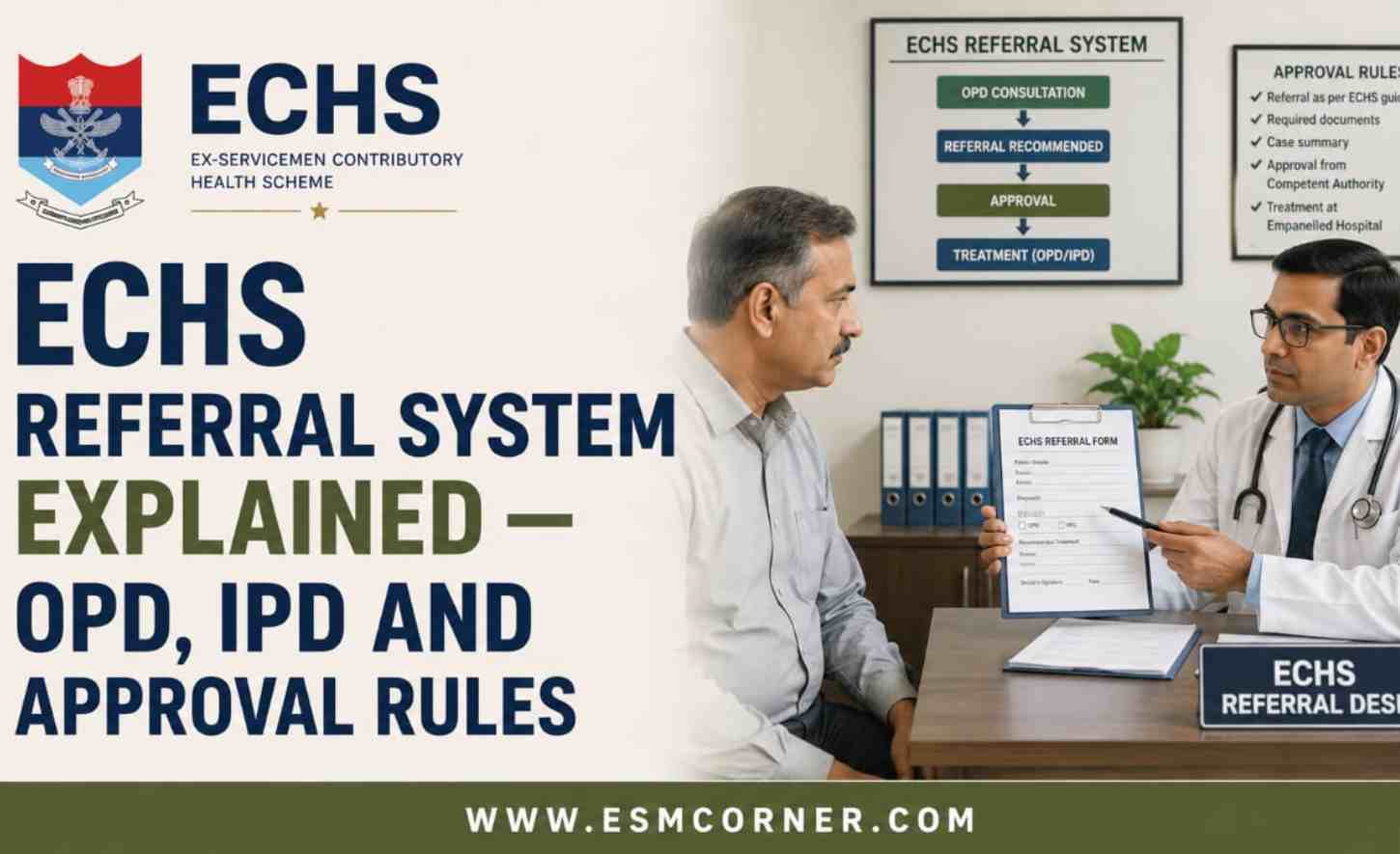
- Not releasing you or your documents until a disputed charge is paid — If a hospital refuses to discharge you, or withholds your discharge summary and reports, until you clear a charge you believe is wrong, you are not meant to resolve this alone at the billing counter. Every empanelled hospital is required to have a designated ECHS representative at the reception/help desk for exactly this kind of situation. Ask for that representative by name or designation, and if the matter is not resolved on the spot, call your ECHS Polyclinic or Officer In Charge directly — this coordination is meant to happen between the hospital and ECHS, not be pushed onto the patient.
Knowing these seven billing mistakes can help you check your hospital bill more carefully and avoid paying for things you should not have to. Most billing errors happen due to oversight rather than deliberate wrongdoing, so a polite query at the billing desk often resolves the issue. If a hospital does not correct the charge, raise the matter with your ECHS Polyclinic without delay.
Join our WhatsApp community for the latest pension, ECHS, and veteran welfare updates — tap here to join free.
Frequently Asked Questions : ECHS BILLING MISTAKES
Q1. What should I do if I am overcharged at an ECHS empanelled hospital?
A1. Raise the issue with the hospital billing desk first. If it is not resolved, report the overcharge to your ECHS Polyclinic, since empanelled hospitals cannot charge beyond the approved package rate.
Q2. Does ECHS treatment always have to be cashless at empanelled hospitals?
A2. Only for beneficiaries holding a General ECHS Smart Card — for them, treatment is meant to be cashless, with the hospital billing ECHS directly. Beneficiaries holding an “Only Reimbursement” ECHS card are not entitled to cashless treatment; they pay at CGHS/ECHS rates and claim reimbursement separately.
Q3. Can a hospital charge me for medicines after I am discharged?
A3. A hospital can bill for medicines it issues only up to seven days after discharge. After that, medicines should be collected from the ECHS dispensary, not billed by the hospital.
Q4. What if my discharge summary does not match my final bill?
A4. Compare both documents carefully and flag any mismatch to the billing desk. A bill listing a test or treatment you did not receive should never be paid without questioning it first.
Q5. Where can I check the official ECHS billing rules myself?
A5. You can visit the official ECHS website for treatment and billing guidelines, or ask your local ECHS Polyclinic for the current billing instructions that apply to your case.
Q6. Who do I contact if my complaint is not resolved by the hospital?
A6. You can escalate the matter to your ECHS Polyclinic or Regional Centre, which can take up unresolved billing disputes directly with the empanelled hospital.
Q7. What if a hospital won’t discharge me or hand over my reports until I clear a disputed bill?
A7. Ask for the hospital’s designated ECHS representative at the reception or help desk — every empanelled hospital is required to have one for exactly this situation. If the charge still isn’t resolved on the spot, call your ECHS Polyclinic or OIC directly rather than paying under pressure. This coordination is meant to be handled between the hospital and ECHS, not by the patient alone.
Found this useful? Explore more helpful guides in our ECHS collection — tap here to browse.










Q1• How does a “Veteran Patient” leave the Hospital without clearing the bill put forth ?
Q2• In such a situation the ECHS Counter Incharge are supposed to be more conversant and knowledgeable. Also, the “Hospital Authorities” too are better versed with the ECHS Staff. Hence,the responsibility to clear the issue, without involving the Veterans, must be taken over by the ECHS.
Such instances would be fewer and can easily be dealt between the ECHS and Empanelled Hospitals”.
Regards.