

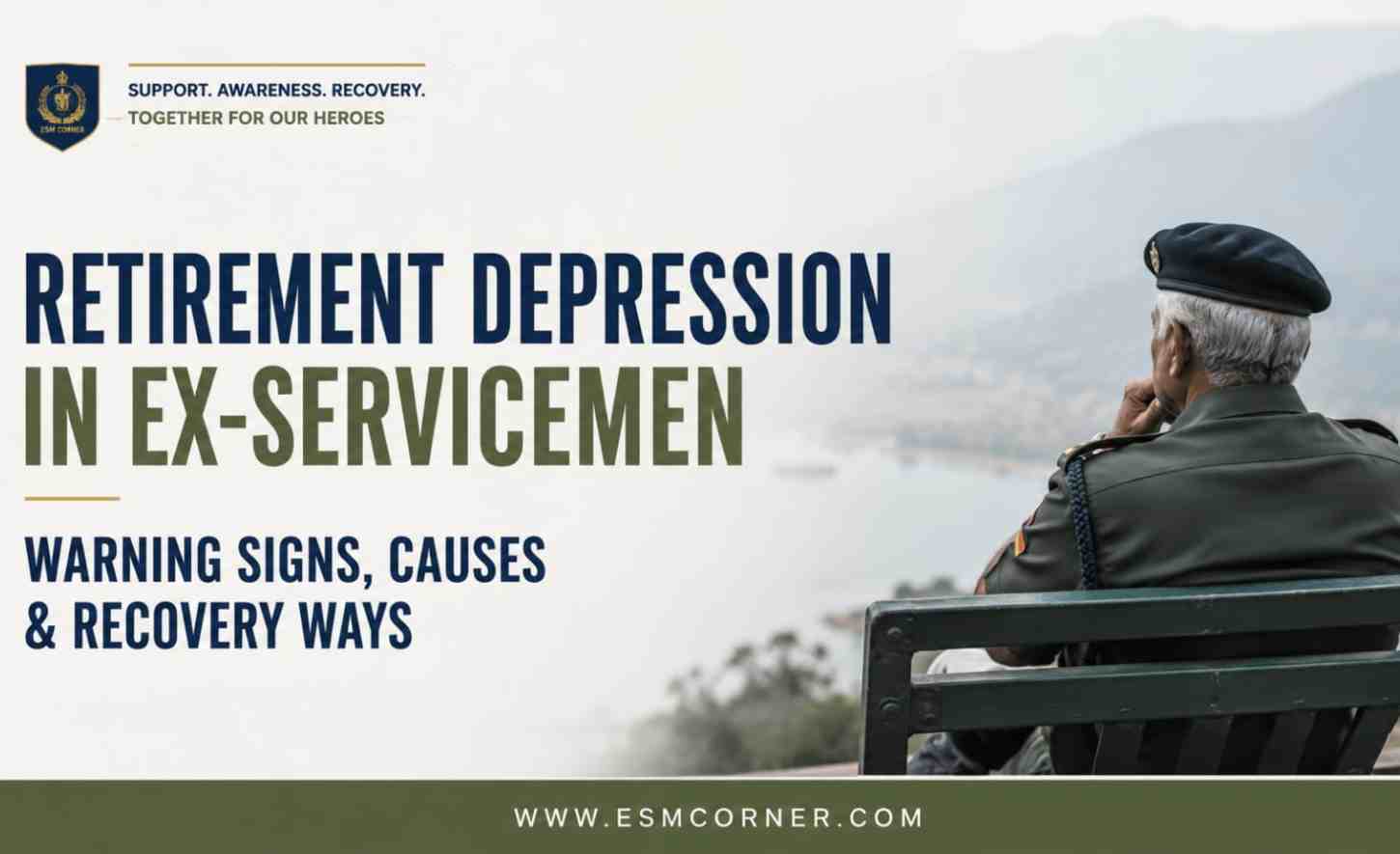
Retiring from the military is one of the biggest life shifts a person can go through — your daily routine, your identity, your responsibilities, your entire social world changes almost overnight. For years, your life ran on structure, deep bonds with your comrades, a clear chain of command, and a sense of duty bigger than yourself. Some veterans settle into civilian life smoothly. Others quietly struggle — with loneliness, emotional heaviness, or simply not knowing what direction to head in anymore.
Here’s what’s important to understand first — feeling this way after hanging up the uniform is far more common than people admit, and it has nothing to do with being weak or failing at retirement. This shift asks you to rebuild your mindset, your habits, and your goals almost from scratch. This guide walks you through the warning signs, why this happens, and practical ways to feel steady, purposeful, and like yourself again.
Understanding Military Retirement Adjustment
Picture your first proper Monday morning as a retiree. No muster. No briefing. No team waiting on your call. Just… silence. In simple words, this heavy, aimless, disconnected feeling that shows up after retirement is what we’re talking about here — and it’s more common than most people admit.
Feeling a bit out of place for the first few weeks is completely normal — think of it as your mind decompressing after years of high alert. But if that emptiness, irritability, or withdrawal from people continues for months, that’s your cue that something deeper needs attention. Spotting this early difference is exactly what helps you protect your relationships and your quality of life before things get harder.
Common Causes of Emotional Challenges in Veterans
Many ex-servicemen look forward to retirement as a well-deserved reward after years of dedicated service. However, the reality can be very different. The sudden absence of routine, purpose, and the close-knit support of fellow servicemen often leaves an unexpected sense of emptiness. During military service, your responsibilities and sense of purpose were clearly defined every single day.
Moving into civilian life means shifting from a tightly-knit, high-stakes world to one that’s far more individual and self-paced — and honestly, that shift can feel disorienting. On top of that, years of military discipline can make it hard to relate to civilian workplaces, where punctuality, loyalty, and straight communication don’t always work the same way. Understanding why this feels hard takes away a lot of the frustration that usually comes with early retirement.
Recognizing Early Warning Signs
Maybe you’ve noticed yourself snapping at family over small things. Or spending hours just staring at the TV. Or constantly replaying your old operational days in your head. These small shifts in mood, sleep, or daily energy are often the earliest signs that something needs attention — and catching them early makes all the difference.
Key Warning Signs and Immediate Practical Actions
| Warning Sign | Possible Reason | Practical Action | Benefit |
|---|---|---|---|
| Constant irritability | Loss of authority and structure | Build your own household routine | Restores calm and control |
| Pulling away from people | Missing your old peer camaraderie | Join veteran or local community groups | Rebuilds real connection |
| Ongoing tiredness | Lack of physical drive or direction | Start morning walks or exercise | Boosts energy and mood |
| Losing interest in things | No clear daily purpose | Pick up a new skill or hobby | Brings back motivation |
| Poor sleep | Reduced activity, rising anxiety | Fix a sleep schedule, cut screen time before bed | Better rest, clearer mind |
Practical Recovery Strategies for Veteran Well-Being
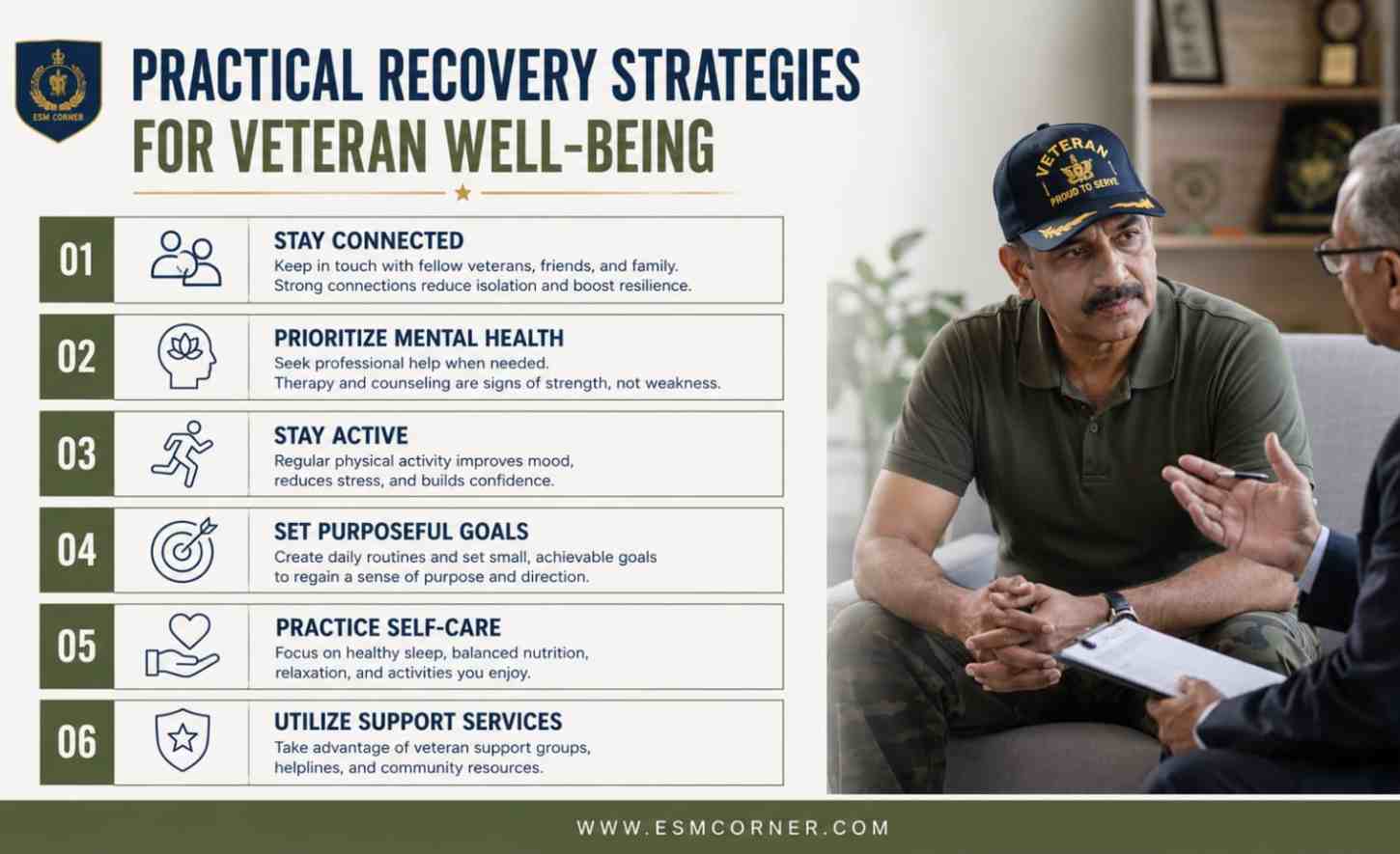
You don’t need to leave your military values behind to move ahead—just apply the same discipline, resilience, and leadership in your personal life and within your community.
Building Structure, Routine, and Daily Habits
- Fix your wake-up time, meals, and evening routine to keep your days steady
- Get at least 30 minutes of moderate exercise daily — it genuinely lifts your mood
- Keep your bedroom quiet, dark, and screen-free for better sleep
- Set small daily goals — a home project, some reading, anything that gives you a sense of “done”
Fostering Purpose After Military Service
- Consider a second career, consulting, or mentoring — your leadership still has real value
- Get involved in volunteering, emergency response teams, or youth programs
- Keep learning — a certification course, a vocational skill, or even a creative hobby
- Remind yourself: your military career was a strong foundation, not your final peak
Strengthening Family and Community Connections
- Communicate openly and patiently — remember, your family is adjusting to having you around too
- Join local sports clubs or community groups to build friendships beyond the military world
- Plan regular family outings to rebuild closeness and understanding
- Talk to trusted peers who genuinely understand this stage of life after service
Knowing When to Seek Professional Support
Let’s say you’ve built a routine, tried new hobbies, stayed active — but that heaviness, anxiety, or emotional distance just isn’t lifting. That’s your sign to bring in professional support. Speaking to a qualified counsellor or healthcare professional isn’t giving up — it’s a smart, tactical move to get your edge back.
A good professional gives you tools tailored to your situation — helping you process what you’re feeling, adapt to new social settings, and build coping strategies that actually work. Taking your mental health seriously here isn’t optional self-care — it’s what keeps you strong and present for the people who need you.
Conclusion
Retiring from the military isn’t the end of your usefulness — it’s the start of a completely new, meaningful chapter. The discipline, strength, and leadership that carried you through service haven’t gone anywhere. They’re simply waiting to be redirected.
Stay proactive. Build structure into your days. Keep moving physically. Nurture your family bonds. Keep learning something new. And remember — asking for help or leaning on your community isn’t weakness, it’s practical wisdom. Be proud of everything you’ve already achieved, and step into this new chapter with purpose, energy, and the confidence you’ve earned.
Also Read: 10 Simple Habits for ESM to Stay Fit & Happy, VETERANS FEEL LOST AFTER RETIREMENT
Q1. Is it normal to feel lost or sad immediately after military retirement?
Yes, feeling disoriented or sad after leaving military service is a common reaction to losing daily structure, professional identity, and squad camaraderie. Adapting to civilian life requires time, intentional adjustment, and patience with yourself.
Q2. How can I tell the difference between normal retirement adjustment and depression?
Temporary adjustment difficulties fade as you establish new civilian routines. Persistent depression involves lasting sadness, chronic fatigue, emotional numbness, loss of interest in activities, and withdrawal from family that continues for several weeks or months without improvement.
Q3. How can family members support a veteran struggling with retirement adjustment?
Family members can support veterans by offering patient listening, encouraging daily physical routines, avoiding pressure, and involving them in family decisions. Creating a low-stress environment while gently encouraging social connection helps ease the transition process significantly.
Q4. Why is maintaining a daily routine so critical after leaving the military?
Military life relies heavily on structure. Establishing a deliberate civilian routine provides predictability, restores a sense of personal control, prevents aimless activity, and helps regulate sleep, energy levels, and emotional balance throughout the day.
Q5. How does physical fitness impact emotional recovery in retired ex-servicemen?
Regular physical exercise releases mood-elevating endorphins, burns off nervous stress, maintains functional mobility, and preserves the physical discipline veterans are accustomed to. Physical fitness serves as a powerful natural anchor for long-term emotional health.
Q6. What are the best ways to find a new purpose after military service?
Finding new purpose involves transferring your skills into a second career, mentoring youth, engaging in community volunteering, learning new trades, or pursuing personal hobbies. Redirecting your discipline toward civilian contributions brings renewed fulfillment and personal growth.
Q7. How can veterans build new social connections outside the military community?
Veterans can build new social ties by joining local sports clubs, attending community meetings, volunteering for local projects, taking educational courses, and connecting with local veteran support networks that bridge military and civilian culture.
Q8. When should an ex-serviceman consult a professional for mental health support?
An ex-serviceman should consult a qualified professional when emotional distress, sleep loss, persistent anger, or withdrawal interferes with daily functioning or family relationships. Seeking professional guidance is a proactive step toward long-term emotional resilience.
For daily defence updates, government notifications, recruitment alerts, welfare schemes, career opportunities, education news, and other important announcements, join our WhatsApp Community. Click here to join our WhatsApp Group.























Sir very fine and valuable Thks
Respected ESM corner, very different to adjust the civil society. Min. Pension able 15 years is best. Atleast civil job is available. To serve in military army more than 15 years and to continue 28 years and adjusting in civilization is challenging. No one in civilization will discuss any point of civilization with ESM. So it’s challenging. Thanks.
Jagannath Chakravarty.