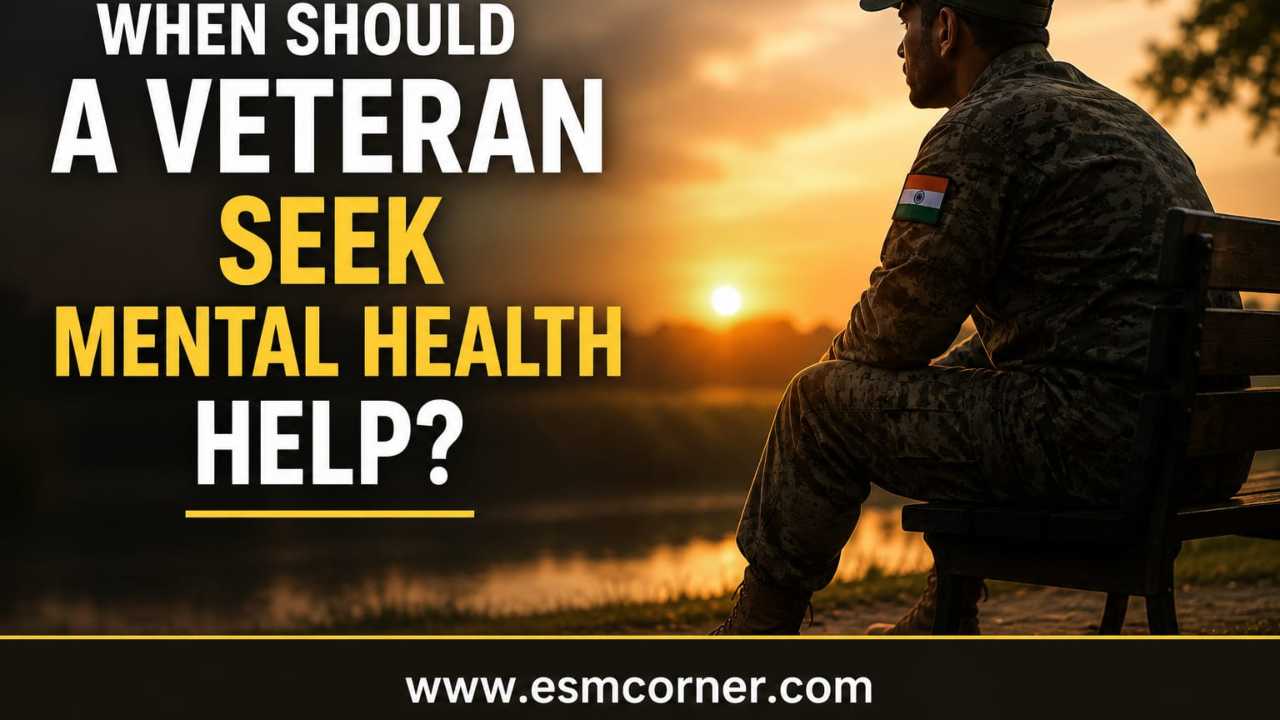
Let’s be honest — nobody trains our soldiers to handle heartbreak, loneliness, or sleepless nights full of bad memories. They train them to handle bullets, borders, and back-to-back night duties. So when a soldier finally hangs up his uniform and comes home, and suddenly feels lost, angry, or empty inside — it’s not because something is wrong with him. It’s because nobody ever told him this part was coming.
In the Army, if your leg is broken, you go straight to the medic. No shame, no delay. But if your mind is broken? Suddenly everyone goes quiet. Ex-servicemen are expected to just “handle it,” “move on,” “be strong.” And that’s exactly the problem.
Seeking counselling is not weakness. It’s not “giving up.” In fact, it takes more courage to say “I need help” than to suffer in silence for years. A soldier who reports for treatment is doing exactly what he was trained to do — staying mission-ready, only this time the mission is his own life.
Body vs Mind — Same Rules Apply
Nobody expects a soldier to walk on a fractured ankle without treatment. Then why do we expect him to walk through depression, anxiety, or trauma without any support?
The truth is simple: years of high-alert duty, disturbed sleep, and the sudden loss of that “uniform identity” after retirement can genuinely mess with a person’s mind. This isn’t weakness of character. It’s biology. Just like a wound needs a bandage, the mind needs proper care too.
Feeling low for a day or two because job-hunting is frustrating? Totally normal. But feeling constantly on edge, numb, or exhausted for weeks — that’s your body still stuck in “battlefield mode,” even though the battlefield is long gone.
Warning Signs You Should Never Brush Aside
Here are the signs that tell you something needs attention — not tomorrow, but today:
In mood and behaviour:
- Feeling sad or hopeless most of the time, like life has no direction
- Constant worry, always “on alert,” scanning every room for exits
- Small things making you explode in anger — even simple traffic
- Losing interest in things you once loved — gym, hobbies, career goals
In daily life and relationships:
- Pulling away from family and old friends, avoiding calls
- Struggling to hold a job or manage everyday tasks
- Fights and misunderstandings with your spouse or kids becoming common
- Turning to alcohol or pills just to sleep or forget
In sleep:
- Nightmares, insomnia, or waking up tired even after 8 hours in bed
If two or three of these feel familiar, don’t ignore the signs.
Quick Reference — What Each Sign Really Means
| Warning Sign | What’s Really Happening | What You Can Do | What You’ll Gain |
|---|---|---|---|
| Bad sleep | Brain can’t recover properly | Fix a sleep routine | Better mood, more energy |
| Sudden anger | Damaging relationships slowly | Talk to a counsellor | Control comes back |
| Avoiding people | Raises risk of depression | Reconnect with old buddies | A support system that lasts |
| Drinking/pills | Hiding the real pain | Get proper guidance | Clarity and peace |
| Always alert | Body stuck in danger mode | Learn calming techniques | Real, lasting relief |
Breaking the Silence
Real change starts with one honest conversation. That’s it. Not a big speech — just telling someone, “Yaar, I’m not doing okay.”
A few things that genuinely help:
- Build a routine — Fixed wake-up time, regular meals, daily walk or workout. Structure gives the mind something solid to hold onto after the discipline of service life is gone.
- Talk, don’t bottle up — Share what’s going on with family. It won’t fix everything overnight, but it lightens the load.
- Find your people — Other veterans understand things civilians simply can’t. A peer group that’s “been there” is worth more than a hundred pep talks.
- See a professional when needed — This isn’t a last resort. It’s a smart, early move.
Who Can Actually Help
- Psychologists/Counsellors — help you talk things through and build better coping habits
- Psychiatrists — doctors who check if medicine is needed alongside therapy
- Family Therapists — help repair communication and trust at home
You don’t have to figure out which one you need on day one. Just start with a conversation, and the right path will become clear.
The Bottom Line
Leaving the forces isn’t the end of your story — it’s a new chapter, and your mental fitness matters here just as much as your physical fitness did in service. Real strength was never about suffering silently until you break.It’s about taking steps before things become overwhelming.
So if you, or a fellow veteran you know, has been quietly struggling — don’t wait for things to hit rock bottom. Reach out. Talk to someone. That one step could change everything.
Also Read: VETERANS FEEL LOST AFTER RETIREMENT
FAQ 1: Why do veterans struggle to seek professional help?
Many veterans avoid therapy due to persistent social stigma, fear of looking weak, or the conviction that they must resolve all personal issues independently. Professional care is simply tactical support designed to restore strength, clarity, and daily operational performance.
FAQ 2: What is the main difference between stress and mental health issues?
Stress is typically short-term and tied to specific events, like moving homes or changing jobs. When emotional distress, anxiety, or sadness persists for weeks without relief and disrupts your daily functioning, it requires professional mental health evaluation.
FAQ 3: How does therapy benefit ex-servicemen after military service?
Evidence-informed therapy helps veterans process past operational stress, break destructive behavioral cycles, improve sleep quality, and manage intense emotions. It equips individuals with practical, real-world tools to build meaningful, fulfilling lives after leaving uniform.
FAQ 4: Can family members help a veteran seek mental support?
Yes, family members play a vital role by observing subtle behavioral changes, offering non-judgmental support, and gently encouraging open conversations. Their loving involvement often gives veterans the confidence needed to seek qualified professional care early.
FAQ 5: What are the first warning signs of emotional overload?
Early warning signs include persistent irritability, unprovoked anger, difficulty sleeping, hypervigilance, emotional numbness, and withdrawing from friends or family. Spotting these signs early enables timely intervention before simple friction escalates into severe personal disruption.
FAQ 6: How do I choose the right mental health professional?
Look for licensed psychologists, counselors, or therapists who specialize in military transition, post-traumatic stress, or veteran care. Choosing an expert who understands military culture ensures a respectful, realistic, and highly practical therapeutic partnership.
FAQ 7: Does asking for help mean I cannot handle civilian life?
Not at all. Transitioning out of uniform involves significant lifestyle, identity, and personal changes. Seeking professional guidance shows maturity and self-awareness, helping you apply your natural discipline and leadership skills effectively in civilian society.
FAQ 8: How can peer support assist in long-term emotional recovery?
Peer support connects veterans with fellow ex-servicemen who share similar background experiences. This mutual understanding reduces feelings of isolation, validates shared transition struggles, and provides a comfortable environment for encouraging continuous personal growth.
For daily defence updates, government notifications, recruitment alerts, welfare schemes, career opportunities, education news, and other important announcements, join our WhatsApp Community. Click here to join our WhatsApp Group.