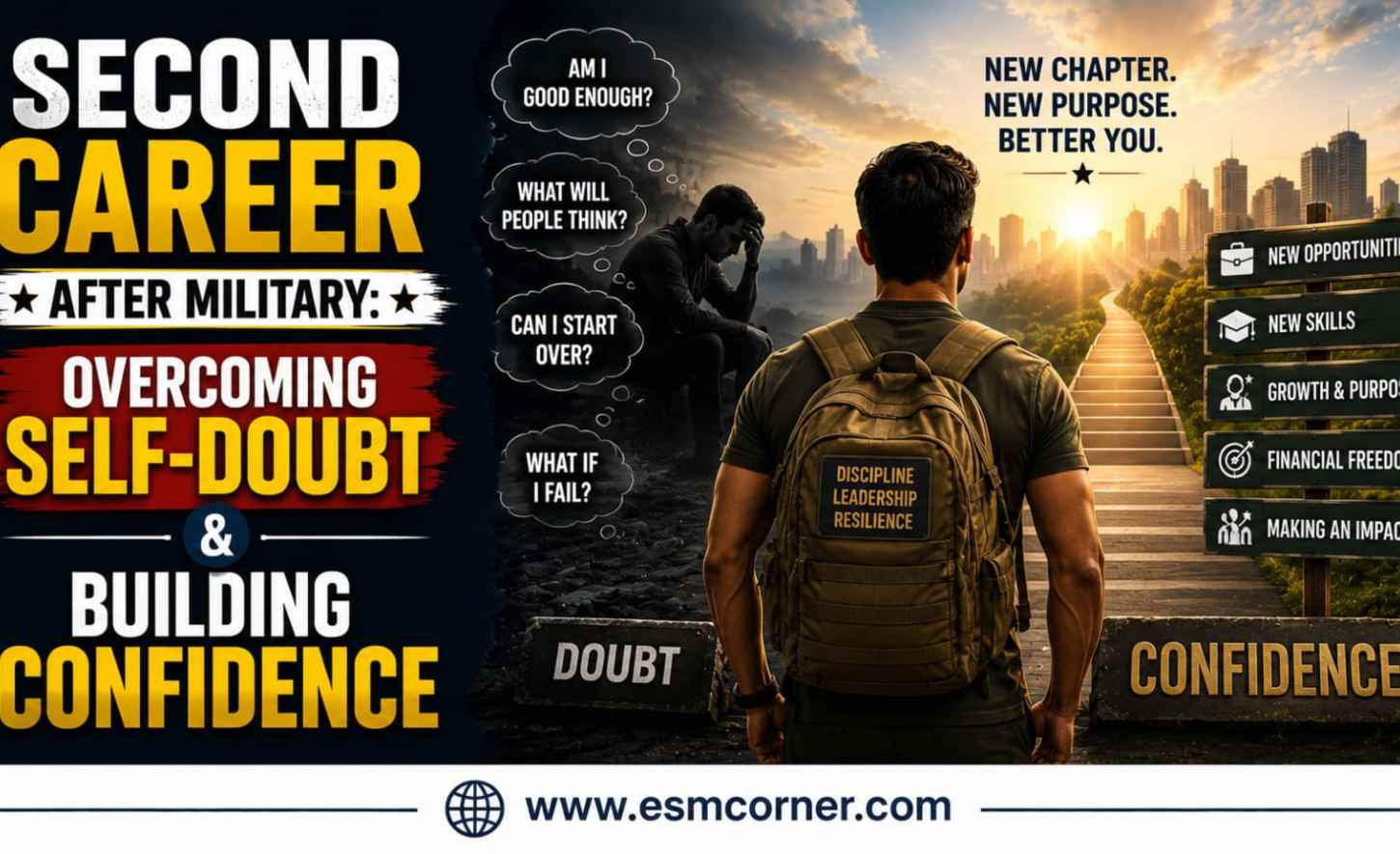
Retirement is coming. Or maybe discharge papers are already in your hand. And suddenly, a hundred questions start playing in your head like a movie on loop.
“Will I actually make it in the corporate world?”
“Will people even understand what I did all these years?”
“Everyone else already has years of office experience — am I already left behind?”
“Can I really learn all this new stuff at this age?”
“Take a breath. Almost every veteran going through this phase has these exact same thoughts running in their head. It doesn’t mean you’re weak or unprepared — it just means you’re human, and even good change can feel scary.”
Here’s the good news: you are not starting from zero. Not even close. You already carry leadership, discipline, teamwork, quick thinking under pressure, and honesty that most people spend their whole careers trying to build. The real task now is simple — take what you already have, polish it a bit, and place it in the right civilian job. That’s it.
Why Does This Transition Feel So Scary?
Let’s be honest about something first. The fear you’re feeling has very little to do with your actual ability. It’s about identity.
In service, your rank told everyone who you were the moment you walked in. That uniform did half the talking for you. Once that structure is gone, it’s natural to feel like you’ve dropped a few notches — from “the expert in the room” to “new guy figuring out an unfamiliar job market.”
That dip is not a personal failure. It’s just what happens when the ground shifts under your feet. Once you understand this, the fear starts losing its grip.
Your Military Skills Are Worth More Than You Think
Corporate language sounds fancy and intimidating from the outside. But once you break it down, you’ll realise you’ve basically been doing “corporate work” all along — just with a different uniform on. Look at this:
- Command experience → Executive leadership
- Mission planning → Project management
- Unit logistics → Supply chain operations
- Threat assessment → Risk management
Companies are desperately looking for people who stay calm when things go wrong, who can make good decisions with half the information, and who lead with honesty. That’s your everyday skill set. Once you learn to say it in “business language,” you’ll see your profile isn’t just good enough — it’s often stronger than a lot of standard corporate hires walking in with a fancy degree and zero real-world pressure experience.
Speak the Language Recruiters Actually Understand
Here’s the real problem though. A civilian HR person has no clue what your rank or your acronyms mean. If your resume reads like a military file, it creates an instant wall between you and the recruiter.
A few things genuinely help here:
- Rewrite your resume in business terms. Talk about budgets you handled, teams you led, resources you saved, problems you solved — not just designations and duties.
- Build a proper LinkedIn profile. A clean, simple profile helps a recruiter understand your worth in ten seconds flat.
- Network like it’s your job. Talking to people already working in your target field will teach you more in one conversation than a hundred hours of scrolling job portals.
The Fears Everyone Has — And What Actually Fixes Them
| The Fear | What Actually Helps | Your First Step |
|---|---|---|
| My skills feel outdated | Get certifications like PMP, Scrum, or Lean Six Sigma | Compare your current skills with real job postings |
| My experience feels irrelevant | Translate your work into clear business outcomes | Rewrite your resume, drop the military jargon completely |
| Fear of corporate rejection | Practice mock interviews, understand corporate culture | Talk to two veterans who’ve already crossed over |
| Money worries | Build a 6-month financial cushion before you leave | Work out your exact monthly budget after service |
| Losing your sense of purpose | Pick roles that match your personal values | List your top three industries that genuinely excite you |
Start Preparing Before You Actually Leave
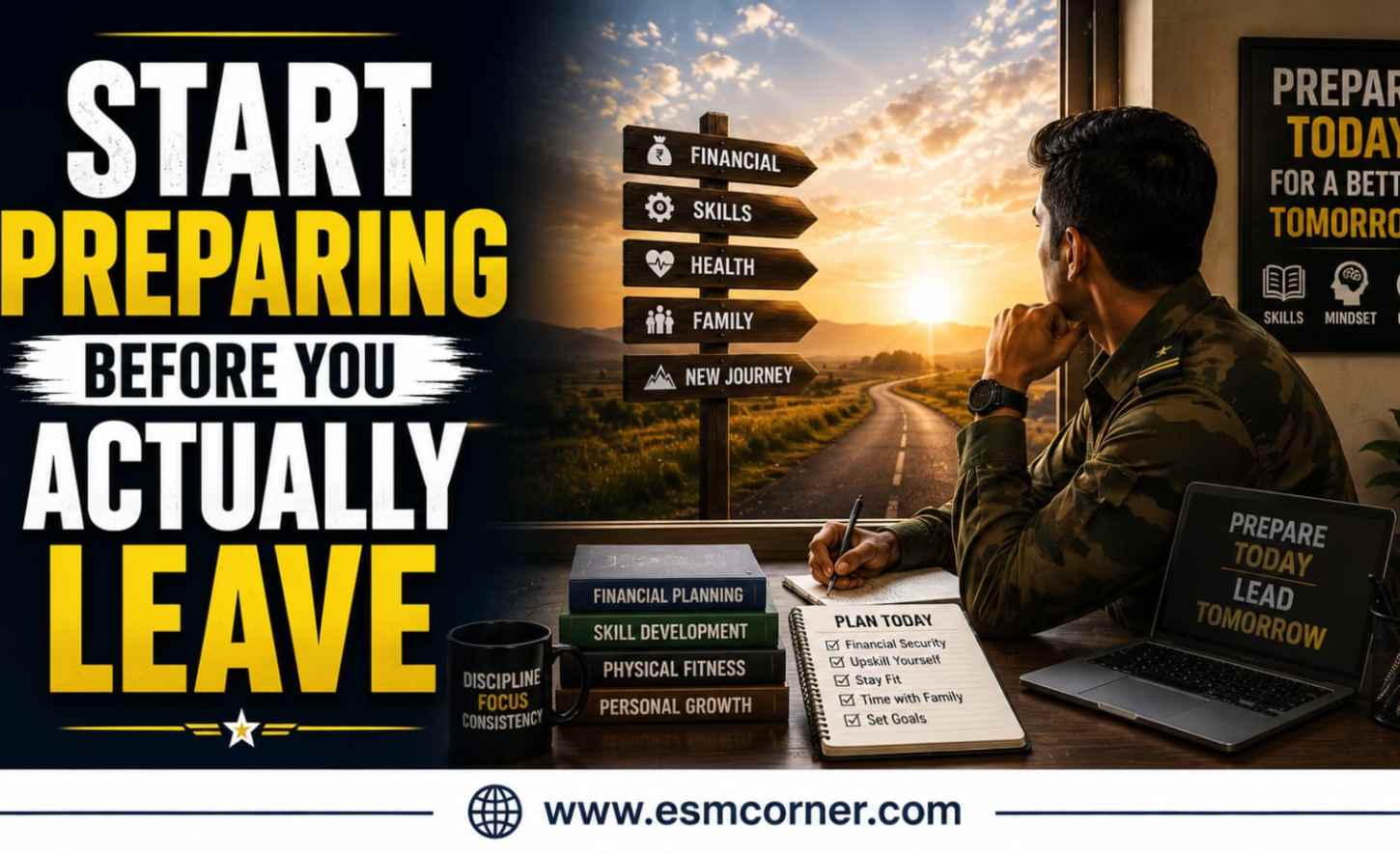
Don’t wait for the discharge date to start thinking about your next move. Start early, look at your real options — private sector, government roles, consulting, freelancing, or even starting your own business.
And here’s a mindset shift that makes a real difference: stop comparing your journey to civilians who’ve spent twenty years climbing a corporate ladder. Your path is different. That difference is your strength, not your weakness.
A few small things that genuinely help along the way:
- Keep your health and daily routine steady — a clear mind handles stress far better.
- Set realistic expectations. Don’t rush the process just because it feels uncomfortable.
- Lean on your family. This transition affects them too, and their support matters more than most people admit.
Let’s Bust The Biggest Myth Right Now
A lot of people believe age or years of service somehow work against you in the corporate world. That’s simply not true. Mature leadership, real emotional intelligence, and genuine crisis-handling experience are rare and highly valued in today’s fast-moving companies. Veterans regularly succeed in tech, logistics, defence contracting, and even top executive roles — the moment they learn to speak their value in corporate language.
The biggest mistakes people make in this journey? Starting too late. Depending only on job portals. Keeping military jargon in the resume. And underestimating how powerful real networking can be. The best part — every single one of these is completely avoidable, with just a bit of preparation.
CONCLUTION
Walking out of uniform closes one honourable chapter, but it opens a whole new one full of opportunity. This is not about starting from scratch — it’s about smartly applying years of hard-earned leadership, discipline, and grit into an exciting new field.
That self-doubt you’re feeling? It’s just a temporary reaction to something unfamiliar — not a true measure of your potential. Keep learning, build your professional brand, pick up modern workplace skills, and create a clear roadmap for yourself. Trust the same adaptability that got you through service. Lean on your people. And walk into this next chapter with the same courage and clarity that defined your career in uniform.
The corporate world needs grounded leaders like you. Go claim your place in it.fined your military career. The business world desperately needs grounded leaders—step forward with confidence and claim your future.
Also Read: 10 Simple Habits for ESM to Stay Fit & Happy
Frequently Asked Questions
Is it too late to start a second career?
No, starting a second career after military service is common at almost any age. Civilians value your operational discipline, crisis management experience, and leadership maturity. With targeted upskilling and a focused strategy, you can build a highly rewarding and successful second professional chapter.
Can military experience help in corporate jobs?
Yes, military experience translates directly into core corporate functions like team leadership, strategic planning, resource management, risk mitigation, and operational execution. Employers seek individuals who remain calm under pressure, handle ambiguity, make decisive choices, and drive cross-functional teams toward defined mission objectives.
What skills should veterans learn?
Veterans should focus on mastering modern digital workplace tools, industry-specific business software, data analytics basics, and professional project management methodologies like Agile or Lean. Developing corporate communication skills, personal branding, and understanding civilian business metrics also greatly eases the transitional process.
Is LinkedIn important for veteran employment?
Yes, LinkedIn is essential for modern veteran employment, networking, and personal branding. It allows you to showcase your translated military experience, research target industries, connect directly with veteran recruiters, engage with corporate hiring decision-makers, and uncover hidden career opportunities before they are advertised publicly.
Can veterans become successful entrepreneurs?
Yes, veterans frequently excel as entrepreneurs due to their inherent resilience, risk management background, strategic planning capabilities, and disciplined execution. Managing resources, leading teams, and overcoming adverse conditions in service provide a strong foundational mindset required to launch and sustain small business ventures successfully.
How should retirement planning begin?
Retirement planning should begin at least 12 to 18 months before service separation. Start by calculating financial requirements, conducting a thorough skills gap analysis, building a translated civilian resume, networking with working veterans, researching target industries, and earning relevant professional certifications early in the process.
What mistakes should be avoided during transition?
Common mistakes include relying solely on online job postings, using tactical military jargon on resumes, delaying transition preparation until separation, ignoring professional networking, and failing to upskill. Avoiding these pitfalls requires early strategic planning, translated personal branding, and active outreach to civilian industry mentors.
How can confidence be rebuilt after service?
Confidence is rebuilt through continuous upskilling, thorough preparation, professional networking, and setting achievable daily goals. Conducting informational interviews, earning recognized industry certifications, and receiving constructive feedback on civilian resumes systematically reduces transition anxiety and validates your true market value beyond the uniform.
For daily defence updates, government notifications, recruitment alerts, welfare schemes, career opportunities, education news, and other important announcements, join our WhatsApp Community. Click here to join our WhatsApp Group.