
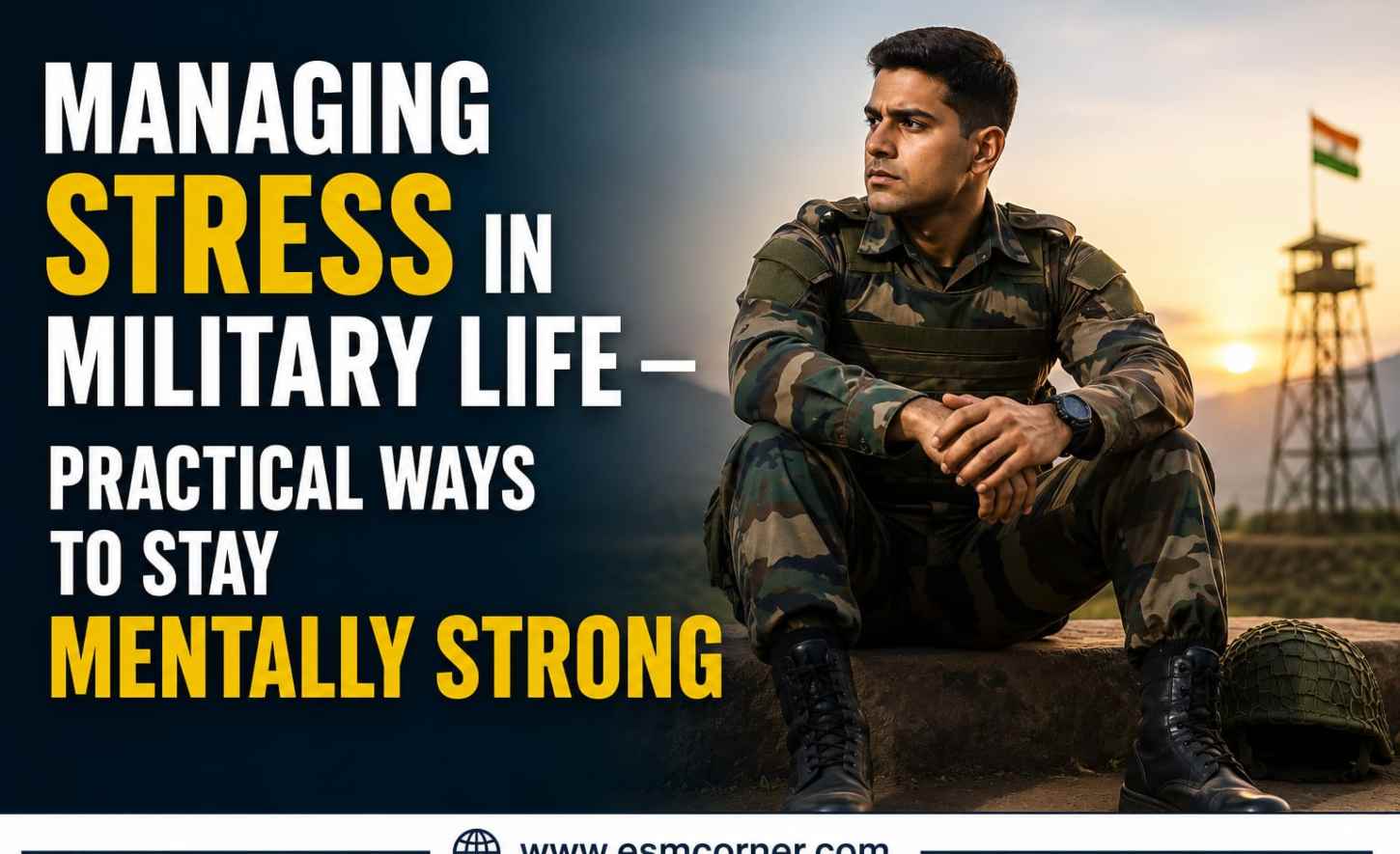
When you serve in the Armed Forces, dealing with pressure is not an occasional experience—it is a regular part of military life. Whether it comes from demanding training, operational deployments, leadership responsibilities, or balancing service commitments with family life, experiencing stress is a natural response to challenging situations.
One of the most important things to understand about managing stress is that feeling stressed does not mean you are mentally weak. It is simply the mind and body’s normal reaction to pressure. Recognising stress early allows you to build genuine resilience instead of ignoring the warning signs until they begin to affect your physical health, emotional well-being, or job performance.
The goal of managing stress is not to eliminate it completely—especially in a profession where challenges are unavoidable. Instead, the focus should be on developing healthy coping strategies, maintaining physical and mental fitness, seeking support when needed, and building habits that help you perform effectively under pressure. Learning to manage stress is an essential life skill that protects both your well-being and your operational effectiveness throughout your military career.
This guide explains practical and evidence-based techniques for managing stress, recognising early signs of burnout, and maintaining long-term mental resilience in both military and everyday life.
What Does “Stress” Actually Mean in Military Life?
In a defence setting, stress is basically your body’s natural reaction to heavy physical, mental, and environmental demands. During active duty, your brain stays on high alert — constantly assessing risk and making fast decisions. Short bursts of this kind of pressure can actually sharpen your focus. The real problem starts when this pressure becomes constant, without enough time to recover.
Left unmanaged, this quiet, ongoing strain slowly chips away at your reaction time, decision-making, and even your relationships — both on duty and at home.
Normal Tension vs. Overwhelming Stress — Know The Difference
Not all stress is bad. A bit of tension keeps you alert during exercises and sharp under deadlines. The problem is when that tension doesn’t go away and starts affecting your everyday functioning.
Watch out for these signs — they usually mean tension has crossed into something heavier:
- Constant fatigue, even after resting
- Increased irritability
- Trouble sleeping
- A growing sense of emotional distance from people around you
Catching these signs early makes all the difference — it’s a lot easier to manage stress before it snowballs into full-blown exhaustion.
Quick Reference: Common Situations and What Actually Helps
| Situation | Practical Response | Daily Habit | Long-Term Benefit |
|---|---|---|---|
| Field Duty | Break big tasks into smaller steps | Practice 4-count box breathing | Prevents mental fatigue |
| Family Separation | Schedule calls whenever possible | Send a quick daily text update | Keeps home bonds strong |
| High Workload | Tackle urgent tasks first | Spend 5 minutes planning the next day | Sharpens decision-making |
| Sleep Deprivation | Take short power naps during breaks | Keep your sleeping space dark and quiet | Speeds up recovery |
| Frequent Relocation | View transfers as growth, not disruption | Stick to a fixed workout routine | Builds fast adaptability |
Where Does All This Pressure Actually Come From?
Understanding the actual sources of stress makes it much easier to deal with them directly:
- Operational Responsibilities – High-stakes work where even small mistakes can have big consequences.
- Long Working Hours – Irregular shifts and night duties that eat into your rest time.
- Family Separation – Extended deployments that create emotional distance and pile extra responsibility onto your family back home.
- Frequent Transfers – Constant adjustment to new units, new environments, and disrupted routines for your whole family.
- High Expectations – The pressure to stay physically fit, pass assessments, and consistently show leadership.
- Physical Demands – Heavy gear, tough conditions, and pushing your body without enough recovery time.
Why Managing Stress Actually Matters For The Mission Too
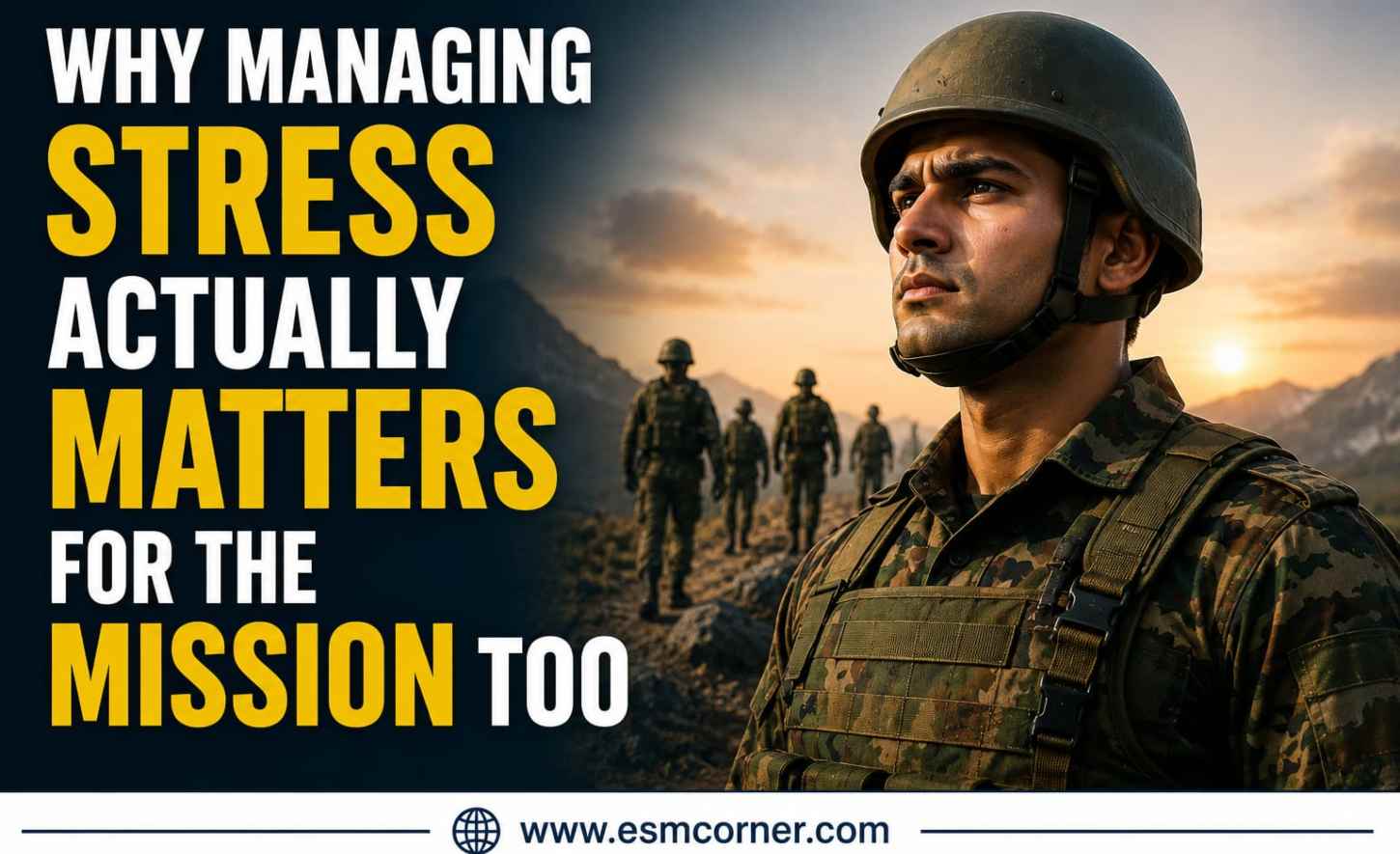
This isn’t just about personal comfort — unmanaged stress genuinely affects performance. It slows reaction time, weakens situational awareness, and increases the chances of miscommunication during critical moments.
On the flip side, personnel who actively manage their mental health bounce back faster from setbacks, stay in better physical shape, and keep morale higher during long deployments. And here’s a bonus — these same skills make the eventual shift to civilian life or higher leadership roles a lot smoother too.
Practical Things That Actually Help
Stick to a Routine
When everything around you feels chaotic, having control over small things — organising your gear, keeping a fixed workout time, sticking to basic routines — gives you a genuine sense of stability. Breaking big, overwhelming tasks into smaller steps also keeps you moving forward without feeling buried.
Prioritise Sleep and Physical Health
Physical fitness isn’t just about looking strong — regular training releases natural stress-relieving chemicals in your body, and proper nutrition keeps your brain functioning well. Sleep should be treated as a non-negotiable part of your routine, not an afterthought — it directly affects memory, mood, and recovery.
Use Simple Breathing Techniques
Something as simple as box breathing — inhale for 4 seconds, hold for 4, exhale for 4, hold for 4 — can genuinely calm your nervous system fast during tense moments. Pair that with a mindset shift: instead of dwelling on things you can’t control, focus your energy on what you actually can do right now.
Lean on Your Team and Stay Connected With Family
You’re not meant to handle everything solo. Talking to comrades who genuinely understand your situation creates a safe space to process shared challenges. And staying in regular touch with family — even brief updates — helps bridge the emotional distance during deployments and eases their worries too.
Building Mental Strength For The Long Run
Having hobbies outside of duty — reading, sports, music, woodworking, anything — gives your mind an actual break. Treating setbacks as learning experiences rather than failures builds long-term confidence. And a simple but powerful habit: mentally rehearsing tough situations before they happen. Thinking through potential challenges in advance genuinely reduces panic when the real thing shows up.
Leadership Matters Here Too
Good leaders shape the entire mental climate of a unit. When leaders openly model healthy coping habits, communicate clearly, and actually check in on their team, it sends a powerful message — asking for help is a sign of professionalism, not weakness. That kind of environment builds trust and keeps morale strong.
It’s Okay to Ask for Help
Taking care of your mental health is just as much a part of readiness as maintaining your equipment. If stress starts feeling constant, overwhelming, or begins affecting your work and family life, reaching out isn’t a weakness — it’s a smart, responsible move. A mental health professional, counsellor, or medical officer can give you strategies tailored specifically to your situation, so you stay effective and resilient throughout your career.
Conclusion
Mastering Managing Stress in Military Life is an ongoing process that requires dedication, practical routines, and continuous self-awareness. Mental toughness is not an inherent trait that individuals either possess or lack; it is a skill developed through consistent daily habits, disciplined recovery, structured routines, and strong mutual support networks. By implementing practical stress-relief techniques, prioritizing physical fitness, maintaining clear communication with loved ones, and supporting your fellow comrades, you can navigate the demands of service while protecting your long-term health.
Remember that taking proactive steps to manage your emotional well-being strengthens both your personal health and your unit’s collective operational capability. Commit to small, daily actions that support your mental strength, rely on your team during tough transitions, and seek professional guidance whenever necessary. Taking care of your mind ensures you remain ready, resilient, and prepared for every challenge ahead.
Also Read: 10 Simple Habits for ESM to Stay Fit & Happy
Frequently Asked Questions
Q1. Is stress normal in military life?
Yes, feeling stressed is a completely normal response to the high-pressure demands, rigorous discipline, and dynamic environments of military service. Experiencing tension does not indicate personal weakness; rather, it reflects the intense mental and physical loads inherent to operational duties.
Q2. How can soldiers manage daily stress effectively?
Soldiers can manage daily strain by maintaining structured personal routines, using tactical breathing techniques, prioritizing physical exercise, securing restorative sleep, and staying connected with supportive peers. Breaking complex assignments into smaller tasks also helps maintain clarity and steady momentum.
Q3. Does stress reduce operational performance?
Unmanaged, chronic stress impairs concentration, slows physical reaction times, harms decision-making accuracy, and increases physical fatigue. However, utilizing practical coping strategies keeps stress at a manageable level, allowing personnel to maintain peak performance under difficult operational conditions.
Q4. Can physical fitness help reduce mental stress?
Regular physical exercise burns off elevated stress hormones like cortisol while stimulating endorphin production. Maintaining physical fitness improves sleep quality, boosts energy levels, and builds physical stamina, which directly strengthens emotional resilience against operational pressure.
Q5. How important is family support for serving personnel?
Family support provides a crucial emotional foundation for service members. Regular, open communication with family members helps ease deployment anxiety, reduces feelings of isolation, strengthens home-front stability, and offers essential moral support during challenging assignments.
Q6. What are healthy coping strategies for soldiers?
Healthy coping strategies include regular physical workouts, practicing controlled breathing exercises, pursuing personal hobbies, maintaining open conversations with trusted peers, organizing daily tasks effectively, and ensuring proper rest and nutrition during off-duty hours.
Q7. When should professional support be considered?
Professional support should be sought when stress becomes continuous, feels overwhelming, causes severe sleep disruptions, affects physical health, or interferes with daily duties, personal safety, or family relationships. Seeking guidance ensures timely recovery and long-term readiness.
Q8. How can long-term mental resilience be built?
Long-term resilience is built through consistent daily habits: maintaining physical fitness, developing strong social connections, practicing continuous self-awareness, viewing setbacks as learning experiences, and utilizing proactive stress-management techniques throughout your career.
For daily defence updates, government notifications, recruitment alerts, welfare schemes, career opportunities, education news, and other important announcements, join our WhatsApp Community. Click here to join our WhatsApp Group.