

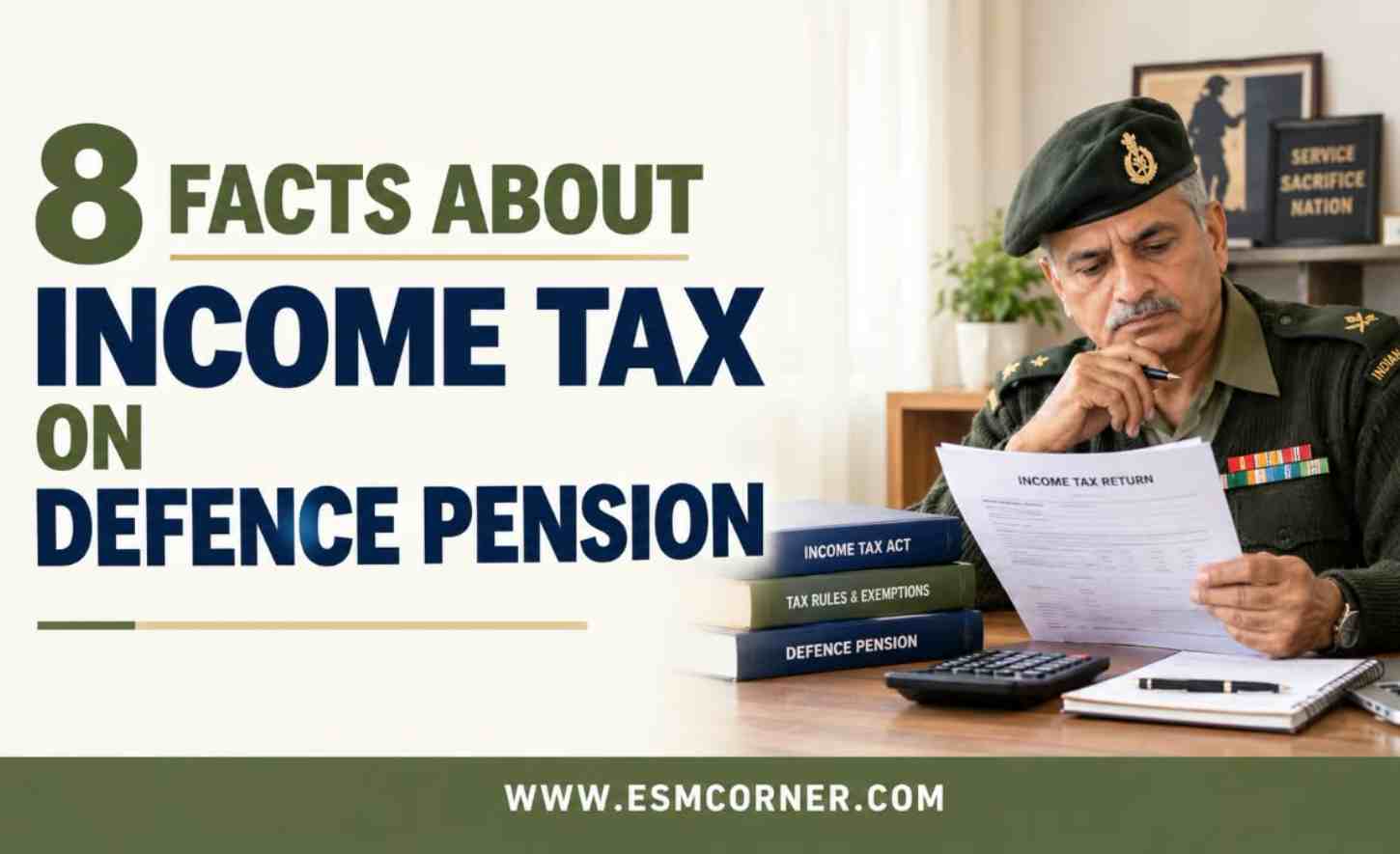
Source: Income Tax Department
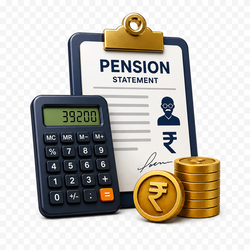
Understanding how your pension is taxed can help you avoid surprises at return-filing time and make sure you are not missing deductions you are entitled to. This article lists eight facts about income tax on regular and family pension for defence personnel, based on current Income Tax Department rules, so you know what applies to your situation.
- Regular monthly pension is fully taxable — Your uncommuted (regular monthly) pension is taxed as salary income at your applicable slab rate, just like any other periodic income.
- Commuted pension is fully tax-exempt for you — Since defence personnel fall under government service, the entire commuted (lump sum) portion of your pension is exempt from tax under Section 10(10A).
- A standard deduction of 75,000 rupees applies — Pensioners get a standard deduction of 75,000 rupees from FY 2025-26 onward, available under both the old and new tax regimes.
- Family pension is taxed differently from regular pension — Family pension is taxed under “Income from Other Sources,” not as salary, with a deduction of whichever is lower: 25,000 rupees or one-third of the pension amount.
- A wider exemption applies to war and operational-duty family pension — Family pension paid to the widow, children, or nominated heirs of armed forces personnel, including paramilitary forces, who died in the course of operational duty has its own separate, wider exemption.
- TDS is deducted before your pension reaches you — The bank paying your pension deducts TDS (Tax Deducted at Source) under Section 192, so it is worth checking Form 26AS or the AIS (Annual Information Statement) to confirm the figures are correct.
- Senior citizens aged 75+ may not need to file an ITR at all — Under Section 194P, senior citizens aged 75 and above with only pension and interest income from the same bank can skip filing an Income Tax Return altogether.
- Disability pension follows a separate set of rules — The rules described here apply to your regular service pension. Disability pension has its own separate tax exemption, which works differently from regular and family pension taxation.
Regular pension, commuted pension, and family pension are all taxed differently, and mixing them up is one of the most common filing mistakes pensioners make. This article explains the current rules and is not personal tax advice, so it is worth confirming your own deductions and exemptions with a tax professional, especially if your pension involves both regular and family pension elements.
Join our WhatsApp community for the latest pension, ECHS, and veteran welfare updates — tap here to join free.
Frequently Asked Questions
Q1. Is my regular monthly defence pension taxable?
A1. Yes, uncommuted pension is taxed as salary income at your applicable slab rate, though you can claim the standard deduction against it.
Q2. Do I have to pay tax on the lump sum I received from commuting my pension?
A2. No, for defence and other government personnel, the entire commuted pension amount is fully exempt from tax under Section 10(10A).
Q3. How much standard deduction can a pensioner claim?
A3. Pensioners can claim a standard deduction of 75,000 rupees from FY 2025-26 onward, under both the old and new tax regimes.
Q4. Is family pension taxed the same way as a regular pension?
A4. No, family pension is taxed under Income from Other Sources, with a deduction of the lower of 25,000 rupees or one-third of the amount received.
Q5. Is family pension fully exempt if a soldier dies on operational duty?
A5. A wider exemption applies in such cases, covering family pension paid to the widow, children, or nominated heirs of personnel who died in operational duty.
Q6. Do senior citizens above 75 need to file an income tax return?
A6. Not always. Under Section 194P, those aged 75 and above with only pension and interest income from the same bank can skip filing an ITR.
Found this useful? Explore more helpful guides in our Income Tax collection — tap here to browse.
























Please tell current rules on exemption of Income Tax on Disability Pension and Service Pension when armed forces personnel get Disability Pension.
Shekhar Singh Rawat