
Thousands of dedicated military personnel eventually reach the same big question: “What happens after service?” Leaving the military isn’t just switching jobs — it’s a complete identity shift. You’re stepping away from a world that gave you clear authority, clear missions, and comrades you could trust with your life.
Military life builds discipline, leadership, and mental strength like nothing else. But stepping into the civilian world often brings a different kind of battle — quiet anxiety and uncertainty. Will your tactical skills mean anything in a corporate boardroom? Can you really compete with younger candidates fresh out of college? Will you even fit into an office culture that runs so differently from anything you’ve known?
Add financial pressure, family expectations, and the fear of “starting over” into the mix, and self-doubt creeps in fast. But here’s the truth — these fears are completely natural. Almost everyone going through a big life shift feels this way. With thoughtful planning, greater self-awareness, and continuous skill-building, this transition can become one of the most rewarding phases of your life.. This guide will help you break down that self-doubt, reframe your experience the right way, and build real confidence for your next career.
The Psychology of Transition: Understanding Self-Doubt and Emotional Fear
As the transition to civilian life approaches, many veterans begin to feel that a core part of their professional identity is slipping away, creating room for self-doubt. While in uniform, their rank, experience, and responsibilities were immediately recognized. In the civilian workforce, however, those achievements aren’t always visible, and they often need to demonstrate their skills and value from the ground up to employers who may have no military background.
This is exactly why so many capable, experienced leaders start doubting whether their achievements will actually count for anything outside service. Add to that the sudden absence of your old support system, and job-hunting can feel lonelier than expected.
Here’s the important thing to remember — this isn’t a personal weakness. It’s just a normal reaction to a massive life change. Once you see self-doubt as a sign you’re growing, not failing, you can turn that nervous energy into focused, productive preparation.
Unlocking Transferable Military Skills and Civilian Leadership
A lot of veterans assume their operational experience won’t mean much in a regular office. That’s simply not true. Companies are actively looking for people who can manage crises, handle resources wisely, reduce risk, and build strong teams — and that’s exactly what military experience trains you to do.
The real trick is learning to translate your experience into corporate language. Commanding a unit? That’s basically cross-functional project management and team development in civilian terms. Leading under pressure, executing complex strategy — these are rare qualities that recruiters genuinely value. Once you reframe your background using real numbers and measurable results, employers start seeing exactly what you bring to the table from day one.
Strategic Preparation: Upskilling, Networking, and Resume Building
Start early — don’t wait until your discharge date to begin preparing. A few things worth focusing on right away:
- Build your network before you need it — genuine connections on LinkedIn help you find opportunities that never even get advertised publicly
- Pick up relevant certifications — something like PMP or a useful digital skill adds real credibility alongside your leadership background
- Fix your resume — treat it like a marketing document, not a list of duties. Talk about achievements and results, not just responsibilities
- Practice modern interview skills — get comfortable explaining, in plain language, how your military background solves real business problems
Navigating Career Options: Corporate, Entrepreneurship, and Government Roles
There’s no single “right path” after service — the options are wider than most veterans realise.
A few common directions:
- Corporate leadership — operations, supply chain, or risk management roles in large companies
- Consulting and training — advising organisations on strategy, efficiency, or crisis leadership
- Entrepreneurship and franchising — building your own business using the same discipline and team-building skills you already have
- Public sector and defence contracting — continuing meaningful work by applying your specialised knowledge in government roles
Actionable Strategy Matrix for Transitioning Personnel
Here’s a simple table to help you tackle the most common transition challenges, one step at a time:
| Challenge | Practical Solution | First Step | Long-Term Benefit |
|---|---|---|---|
| Translating military skills | Map your duties to civilian job descriptions | Rewrite achievements without jargon or acronyms | Clear value for hiring managers |
| Networking anxiety | Connect with veteran groups and industry mentors | Update your LinkedIn with transferable skills | Access to hidden job opportunities |
| Skill gaps for new industry | Complete relevant certifications before discharge | List 3 certifications your target role needs | Instant credibility in the new field |
| Corporate culture shock | Talk to veterans already working in your target field | Have 2 informational chats with them | Faster, smoother workplace adjustment |
| Salary negotiation worries | Research standard pay ranges for the role | Benchmark salaries for your target job title | Fair compensation for your experience |
Overcoming Common Transition Myths and Mistakes
Myth: “Veterans need to build a new path when they transition to civilian life.“.” Not true. Leadership, sound decision-making, and emotional intelligence are valued at every level, in every industry.
Common mistake: Relying only on job portals. Warm relationships and referrals open far more doors than applying blindly online ever will.
Another common struggle: Talking about your own contributions. Military culture teaches “team first,” which is a great value — but in interviews, you do need to clearly explain your specific role in past successes. It’s not boasting, it’s simply being honest about what you brought to the table.
The Role of Family and Building Lifelong Emotional Resilience
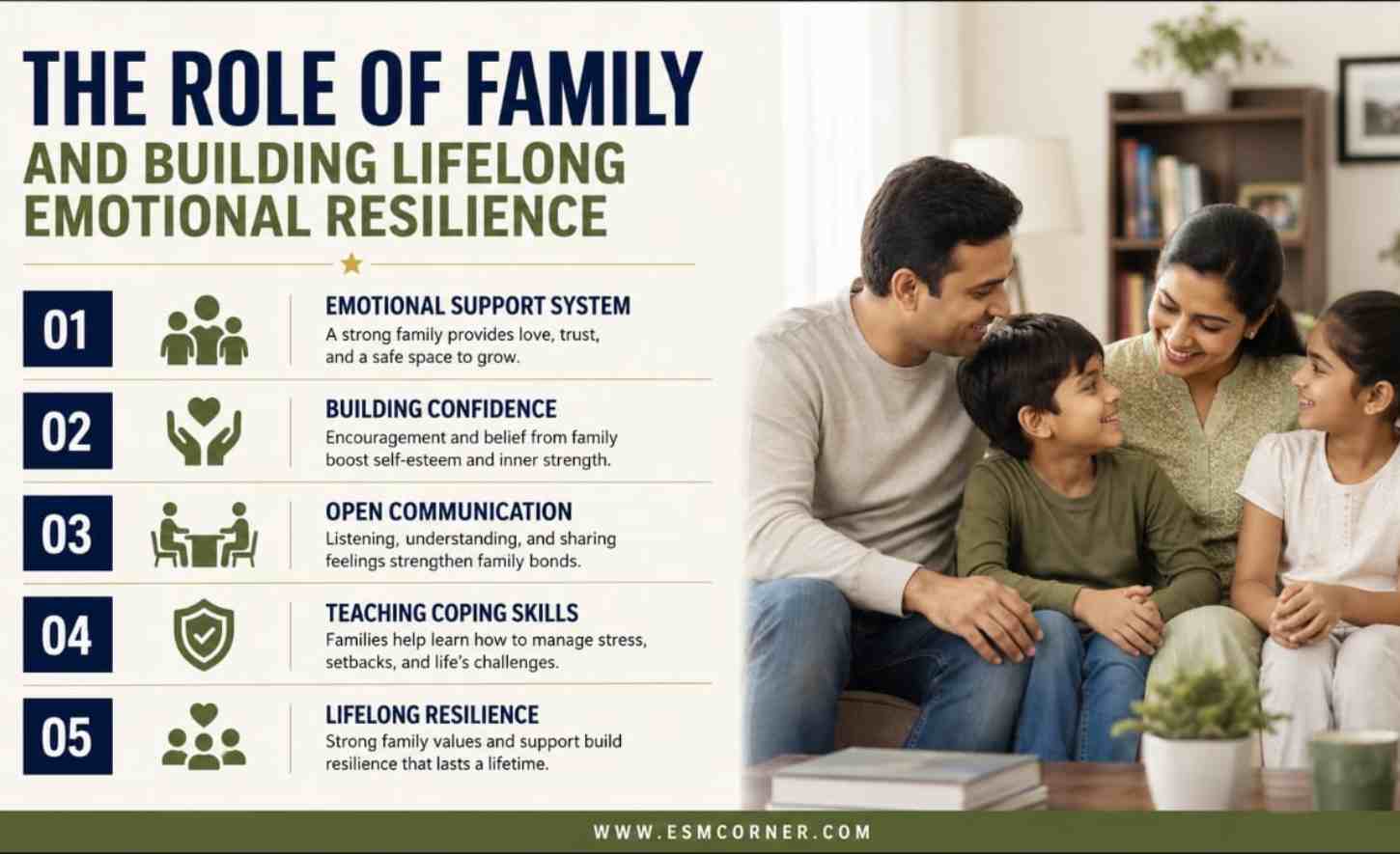
This transition isn’t yours alone — it’s a family journey. Your loved ones are likely dealing with their own worries too, around relocation, money, and adjusting to a new day-to-day routine without the structure service used to provide.
Bring your family into these conversations early. Talk openly about your career plans and expectations, so everyone’s on the same page. And when setbacks happen — an unanswered application, a rejection — try to see them as feedback, not failure. Staying open to learning throughout this journey keeps you adaptable, confident, and ready for whatever comes next.
Conclusion
Leaving the military isn’t a step backward — it’s the start of a genuinely exciting new chapter. Building a strong second career isn’t about starting from scratch. It’s about applying the discipline, leadership, and resilience you’ve already built to a brand-new field.
The self-doubt you might be feeling right now? That’s completely normal — it just means you’re stepping outside your comfort zone, not that you’re any less capable. With steady planning, continuous learning, and genuine networking, that uncertainty can turn into real, lasting success. Trust what your service has already built in you, stay open to learning something new, and step into your next chapter with complete confidence.
Also Read: VETERANS FEEL LOST AFTER RETIREMENT
Q1.Is it too late to start a second career after mid-life retirement?
No, mid-life retirement provides an ideal balance of extensive leadership experience and remaining career runway. Corporate employers value mature leaders who bring proven emotional stability, crisis management, and decision-making capabilities to complex projects.
Q2.How do I highlight military achievements without using military jargon?
Focus on performance outcomes, team sizes, budget management, and operational efficiency metrics. Replace unit terms with corporate equivalents, such as substituting “commanded” with “managed dynamic cross-functional teams to achieve organizational targets.”
Q3.What are the most in-demand certifications for military veterans?
Certifications like Project Management Professional (PMP), Certified Information Systems Security Professional (CISSP), Agile/Scrum, and Lean Six Sigma are highly recognized. These credentials immediately translate military operational experience into standardized industry terminology.
Q4.How can I build a professional network from scratch before leaving service?
Begin by connecting with military alumni networks and veteran-focused professional organizations online. Participate in industry virtual events, engage in professional conversations on LinkedIn, and request brief informational interviews with veterans who have successfully transitioned into your target industry.
Q5.Can military leadership translate into entrepreneurship?
Yes, military personnel possess exceptional discipline, risk management skills, resourcefulness, and team-building capabilities. These core traits directly mirror the essential attributes required for successfully founding, managing, and scaling an entrepreneurial business enterprise.
Q6.How do I handle potential civilian interview questions about corporate experience?
Emphasize your adaptability, rapid learning ability, and track record of executing missions under pressure. Frame your military background as a unique advantage that allows you to remain composed, structured, and resourceful in fast-paced corporate environments.
Q7.What is the best way to handle initial salary expectations?
Research industry standards using regional salary databases to establish realistic compensation benchmarks for your target roles. Focus on total compensation packages, including benefits and equity, while remaining flexible during early career exploration stages.
Q8.How far in advance should I start preparing for my career transition?
Ideally, proactive planning should begin 12 to 18 months before your formal separation date. Early preparation allows sufficient time for targeted upskilling, networking, certification acquisition, and financial planning without inducing unnecessary stress near discharge.
For daily defence updates, government notifications, recruitment alerts, welfare schemes, career opportunities, education news, and other important announcements, join our WhatsApp Community. Click here to join our WhatsApp Group.