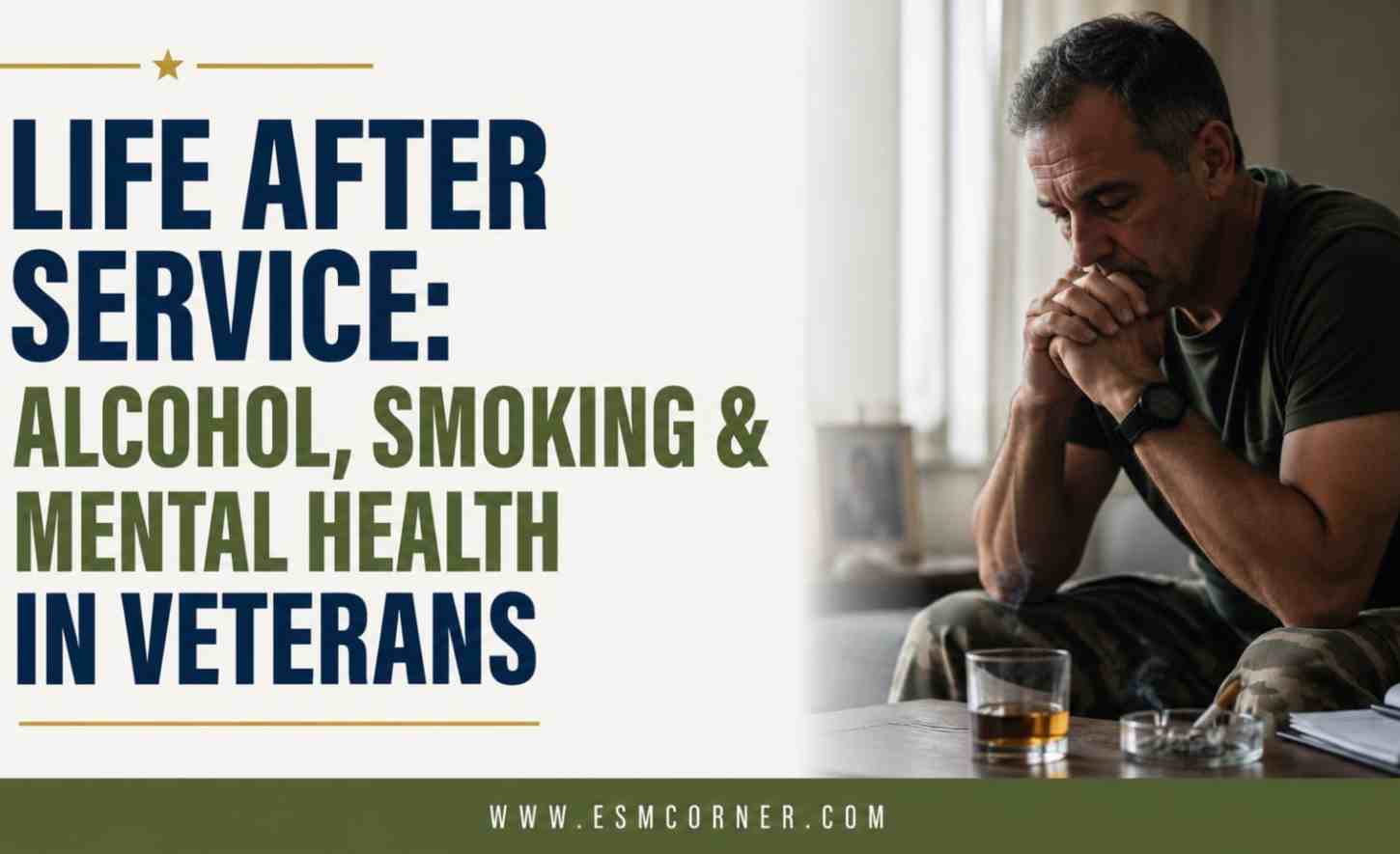
Taking off the uniform after years of service is one of the biggest life transitions a person can experience. One day your routine revolves around discipline, teamwork, and a clear mission. The next, that structure is gone. For many veterans, this sudden change can bring uncertainty, loneliness, and emotional challenges that are difficult to talk about.
It is common for ex-servicemen to experience stress, disturbed sleep, anxiety, or a sense of isolation during this period. In an attempt to cope, some begin relying on alcohol or tobacco to “take the edge off.” While it may provide temporary relief, alcohol does not address the underlying causes of emotional distress. In fact, the relationship between alcohol and mental health is well established—regular or excessive drinking can worsen stress, anxiety, depression, sleep problems, family relationships, financial stability, and overall physical health.
Understanding the connection between alcohol and mental health is the first step towards healthier coping strategies. This is not about blame or judgement; it is about recognizing why these habits develop during major life transitions and learning practical ways to manage stress without becoming dependent on alcohol. With the right support, healthy routines, and timely intervention, veterans can protect both their mental well-being and their quality of life.
This guide explains how alcohol affects mental health, why veterans may be more vulnerable during the transition to civilian life, the warning signs of unhealthy drinking, and practical steps to build healthier coping mechanisms.
Why Do These Habits Even Start?
Taking off the uniform isn’t just a change of clothes — it changes how you process stress and self-worth every single day. In service, everything had structure: leadership, teamwork, a clear purpose behind every action. Civilian life, in comparison, can feel oddly quiet and directionless.
Without the built-in outlet of physical training or constant team activity, a cigarette break or a quiet drink starts filling that gap. It feels harmless at first — a small ritual for relaxation.
Here’s the catch though:
- Smoking gives a short burst of alertness (thanks to nicotine), but that’s quickly followed by a crash — leaving you more restless than before, not less.
- Alcohol feels relaxing initially since it slows down your nervous system, but it actually messes with deep sleep, increases anxiety the next morning, and weakens your natural ability to cope over time.
How a Small Habit Slowly Becomes a Pattern
It usually starts innocently — one drink to unwind after a long day, or stepping outside for a smoke just to get a few quiet minutes alone. But weeks turn into months, and what started as a one-off habit can quietly turn into something you rely on without even noticing. Spotting this pattern early is the first real step toward taking back control.
What This Actually Does to You Over Time
Physically, regular drinking or smoking can lead to constant fatigue, higher blood pressure, weaker stamina, and slower recovery from everyday physical effort.
Emotionally, it creates a cycle — mood swings, irritability, and that foggy, sluggish feeling in the morning — which honestly makes managing stress even harder, not easier.
At home, this often shows up before you even notice it yourself. Family members usually pick up on the small shifts — shorter patience, less emotional availability, slower reactions — long before you do. When evening drinks or smoke breaks turn into a fixed routine, communication at home slowly breaks down, and tension quietly builds.
Better Alternatives For Everyday Stress
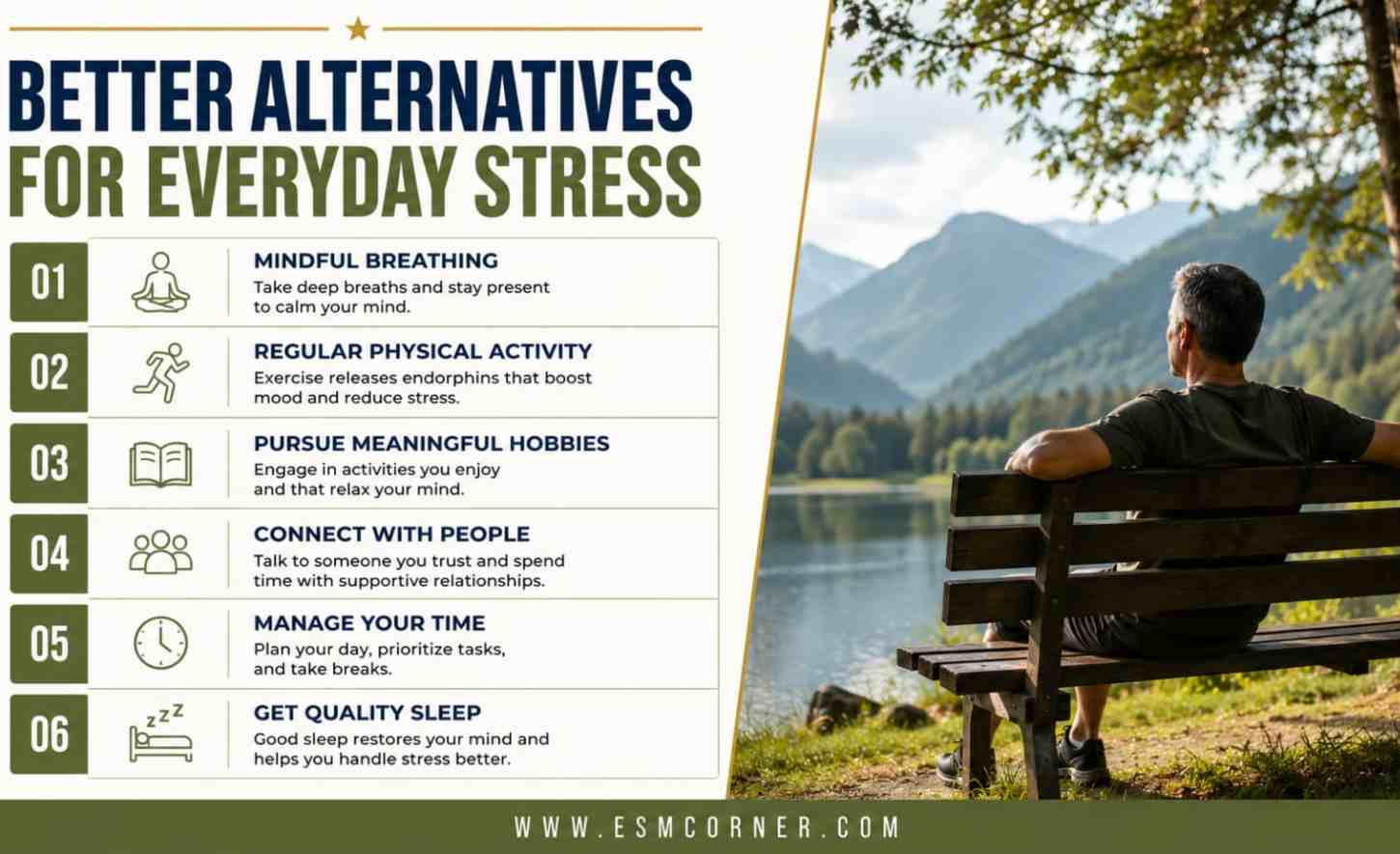
Breaking an old habit isn’t about willpower alone — it’s about swapping it for something that actually gives you real relief instead of a temporary one.
| When This Happens | Try This Instead | Why It Helps |
|---|---|---|
| Restless in the evening | A 20-minute brisk walk or light jog | Lowers stress hormones and releases natural endorphins |
| Urge to smoke or drink | Drink cold water and try box breathing | Resets your nervous system and breaks the craving in the moment |
| Feeling isolated | Join a local veteran community group | Brings back that sense of camaraderie and belonging |
| General post-service stress | Simple strength training or bodyweight workouts | Rebuilds discipline and burns off built-up tension |
| Trouble sleeping | A consistent wind-down routine, no screens | Improves deep sleep and mental clarity the next day |
Rebuilding a Life That Actually Feels Grounded
Real, lasting wellness after service doesn’t come from just gritting your teeth and pushing through. It comes from building a lifestyle that genuinely supports you. Here’s what that actually looks like:
1. Movement, Structure, and Good Food
Regular exercise — whether cardio or strength training — works almost like a natural antidepressant. Combine that with proper meals and a consistent sleep schedule, and you’ll notice both your mind and your cravings settle down naturally.
2. Staying Connected and Finding Purpose
Isolation quietly feeds unhealthy habits more than people realise. Staying involved with veteran groups, sports clubs, or volunteer work brings back that same trust and camaraderie you had in service. Teaching a skill, mentoring younger veterans, or helping others going through the same transition can genuinely give you a renewed sense of purpose.
3. Knowing When to Ask For Help
Seeking support is a sign of awareness, not weakness. If dealing with alcohol, tobacco use, or ongoing feelings of low mood becomes difficult to manage on your own, reaching out to a qualified counsellor or mental health professional can be a wise and responsible step. It is not a last option — it is simply a way to take better care of yourself during this phase of change.
Conclusion
Stepping into civilian life is a significant journey that requires time, self-compassion, and practical adaptability. Relying on alcohol or tobacco during difficult moments is a common detour, but it never has to define your post-service story. Lasting emotional stability, vigor, and personal fulfillment do not come from temporary fixes; they are built through disciplined routines, regular physical movement, meaningful social bonds, and the courage to seek professional guidance when needed. By choosing healthy coping habits, reconnecting with fellow veterans, and keeping a clear daily mission, you honor your past service while actively securing a resilient, vibrant future for yourself and your family.
Also Read: 10 Simple Habits for ESM to Stay Fit & Happy
Q1. Why do many ex-servicemen turn to alcohol or smoking after retirement?
Retirement alters long-standing daily routines, social circles, and operational purpose. Many Ex-Servicemen use alcohol or tobacco as convenient coping tools to manage transition stress, evening restlessness, or mild anxiety, attempting to recreate the structured downtime or stress relief they experienced during active service.
Q2. How do alcohol and tobacco specifically impact veteran mental health?
While alcohol and nicotine offer brief relaxation, they disrupt brain chemistry over time. Nicotine increases baseline anxiety once it wears off, whereas alcohol fragments deep sleep and deepens depressive symptoms, eventually worsening emotional stability and reducing stress tolerance during civilian transition.
Q3. Can small lifestyle changes really help break long-term smoking or drinking habits?
Yes, small daily habits are incredibly effective. Replacing smoke breaks or evening drinks with targeted physical activity, hydration, structured routines, and breathwork gradually rewires your brain’s reward system, building natural resilience and reducing reliance on external substances over time.
Q4. How can family members support a veteran struggling with unhealthy coping habits?
Family members can support veterans by maintaining open, non-judgmental communication, encouraging healthy daily routines together, and recognizing stress triggers early. Creating a calm, supportive home environment and gently encouraging professional guidance when necessary helps ex-servicemen feel understood rather than criticized.
Q5. What are the best natural methods for managing post-service stress?
Regular cardiovascular exercise, structured strength training, consistent sleep schedules, outdoor activities, and active engagement in community groups are highly effective. These natural outlets burn off excess stress hormones, release endorphins, and restore the sense of physical discipline familiar from military life.
Q6. How does joining veteran communities support emotional recovery?
Veteran communities restore the unique camaraderie, shared understanding, and trust experienced during military service. Engaging with fellow ex-servicemen eliminates feelings of isolation, provides safe spaces to share transition challenges, and reinforces mutual accountability in maintaining healthy, substance-free lifestyle choices.
Q7. When should a veteran consider seeking professional counseling or medical support?
A veteran should seek professional help whenever alcohol or tobacco use feels uncontrollable, significantly impacts family life, impairs physical health, or accompanies persistent feelings of sadness, severe anxiety, or insomnia. Early professional consultation ensures safe, effective, and tailored recovery strategies.
Q8. How does creating a daily routine build long-term mental resilience?
A structured daily routine restores predictable purpose and order, which are often missed after military discharge. Planning workouts, meals, hobbies, and social check-ins minimizes unstructured downtime, reduces stress-induced decision fatigue, and actively reinforces healthy habits that protect emotional well-being.
For daily defence updates, government notifications, recruitment alerts, welfare schemes, career opportunities, education news, and other important announcements, join our WhatsApp Community. Click here to join our WhatsApp Group.