
Why These Conversations Are Often Avoided or Delayed
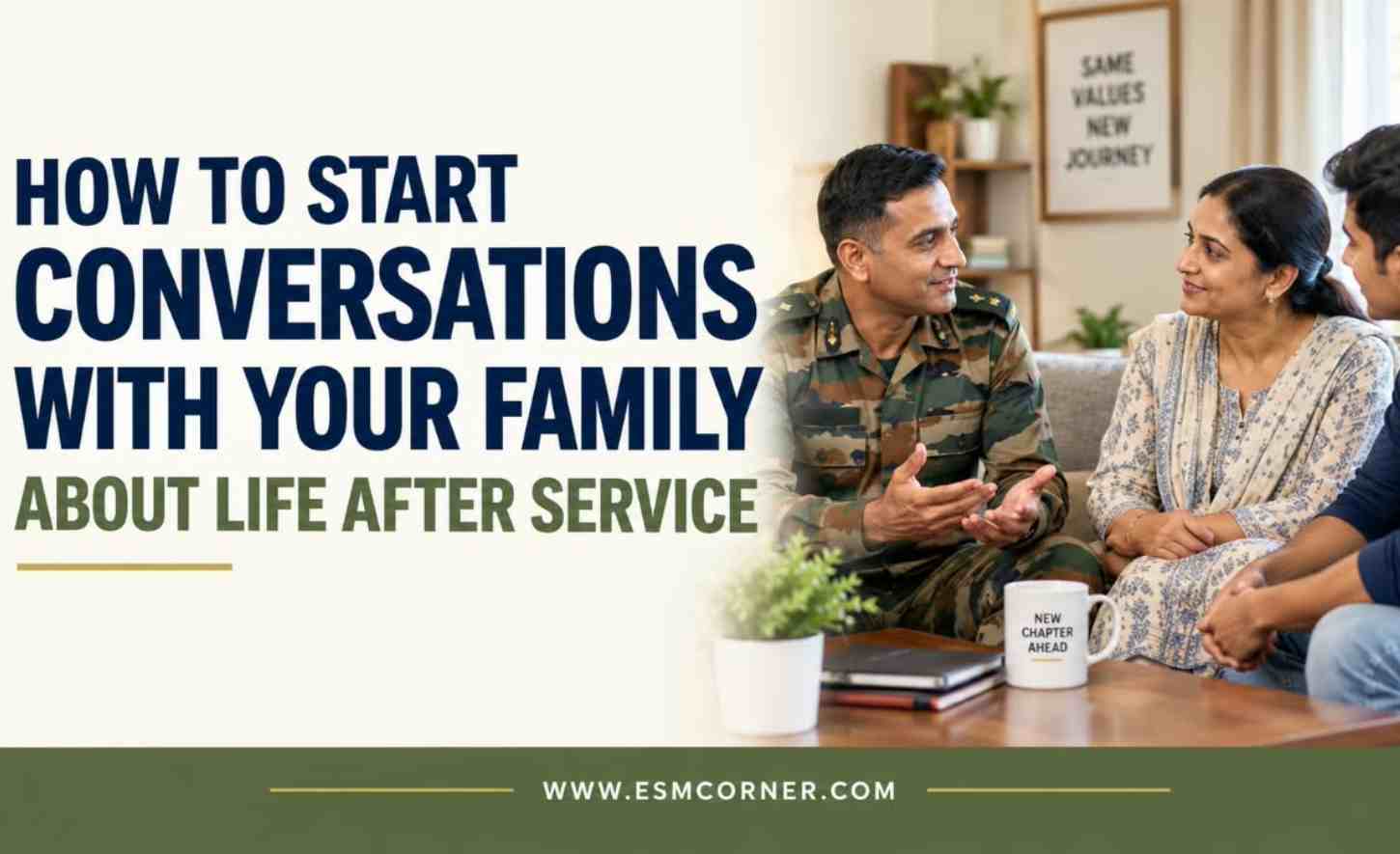
Retirement isn’t a decision that affects you alone — yet many veterans put off genuinely deep family conversations before retirement until decisions are already largely made. Starting these conversations earlier, and more openly, leads to a transition the whole family feels genuinely part of.
It’s genuinely common to put off these discussions — perhaps because the future still feels uncertain, or because bringing up big life changes feels uncomfortable before there’s a clearer plan. But waiting until everything is decided means your family has little real voice in decisions that affect them deeply too. Many veterans find this becomes easier once they’ve actually gone through it once themselves.
What to Actually Discuss
Genuinely useful topics to cover include:
- Where you might settle, and what factors matter most to each family member (covered in more
detail elsewhere) It’s a small detail, but one that genuinely makes a difference in practice.
- Whether you’re leaning toward a second career, full retirement, or something in between
- Financial expectations and any changes to household income during and after transition
- How your spouse’s own career or plans factor into these decisions
- What each family member is genuinely looking forward to, and what they’re worried about
Starting the Conversation, Even Without All the Answers
You don’t need to wait until you have a complete plan to start talking — genuinely, openly sharing that you’re beginning to think about these questions, and inviting your family’s input from the start, is more valuable than presenting a fully-formed decision later. This is exactly the kind of thing that’s easy to overlook until it actually matters.
Making Space for Different Reactions
Different family members may have genuinely different feelings about this transition — excitement, anxiety, or a mix of both. Creating space for these different reactions, rather than expecting everyone to feel the same way you do, helps everyone feel genuinely heard. Getting comfortable with this takes a little practice, but it does get easier with time.
If you’re preparing to re-enter the civilian job market, our Resume Builder Service can help you put your best foot forward.
Involving Children Age-Appropriately
As covered in more detail elsewhere, involving children in age-appropriate ways — particularly around decisions that directly affect them, like a potential school or location change — helps them feel genuinely part of the process rather than simply informed of decisions after the fact. This isn’t something you need to figure out perfectly on the very first attempt.
Making This an Ongoing Conversation, Not a Single Talk
Rather than one big, formal conversation, treating this as an ongoing, evolving dialogue — revisiting it as plans develop and circumstances become clearer — genuinely works better than expecting to resolve everything in a single discussion. A little preparation here goes a long way toward feeling more confident about the rest.
Being Honest About Uncertainty
It’s completely fine, and often more genuine, to acknowledge that you don’t yet have all the answers — this honesty, rather than projecting false certainty, helps build genuine trust and collaborative planning within the family. This is one of those areas where a bit of planning ahead genuinely pays off.
Final Thoughts
Discussing retirement with family openly and early, rather than presenting decisions after the fact, transforms this transition into something your whole family genuinely navigates together — leading to decisions that work better for everyone involved. Most veterans find this becomes second nature after the initial adjustment period passes.
Still have questions? Join our WhatsApp community to connect with fellow veterans and get your queries answered.
Frequently Asked Questions
Q.1 Why do many veterans delay these conversations with their family?
It’s common to wait because the future feels uncertain, or because raising big life changes feels uncomfortable before there’s a clearer plan. It’s a detail that matters a lot when you’re thinking through family conversations before retirement.
What topics should these conversations genuinely cover?
Where to settle, second career vs. retirement, financial expectations, your spouse’s own plans, and what each family member is looking forward to or worried about.
Do I need a complete plan before starting these conversations?
No, openly sharing that you’re beginning to think about these questions and inviting input from the start is more valuable than waiting for a fully-formed decision.
Should I expect everyone in my family to feel the same way about this transition?
No, different family members may have genuinely different reactions — creating space for this helps everyone feel genuinely heard.
Should this be one big conversation or an ongoing dialogue?
An ongoing, evolving dialogue that you revisit as plans develop works better than expecting to resolve everything in a single discussion.
Is it okay to admit I don’t have all the answers yet?
Yes, this honesty, rather than projecting false certainty, helps build genuine trust and collaborative planning within the family.
For more articles like this one, browse our Retirement Planning category.