
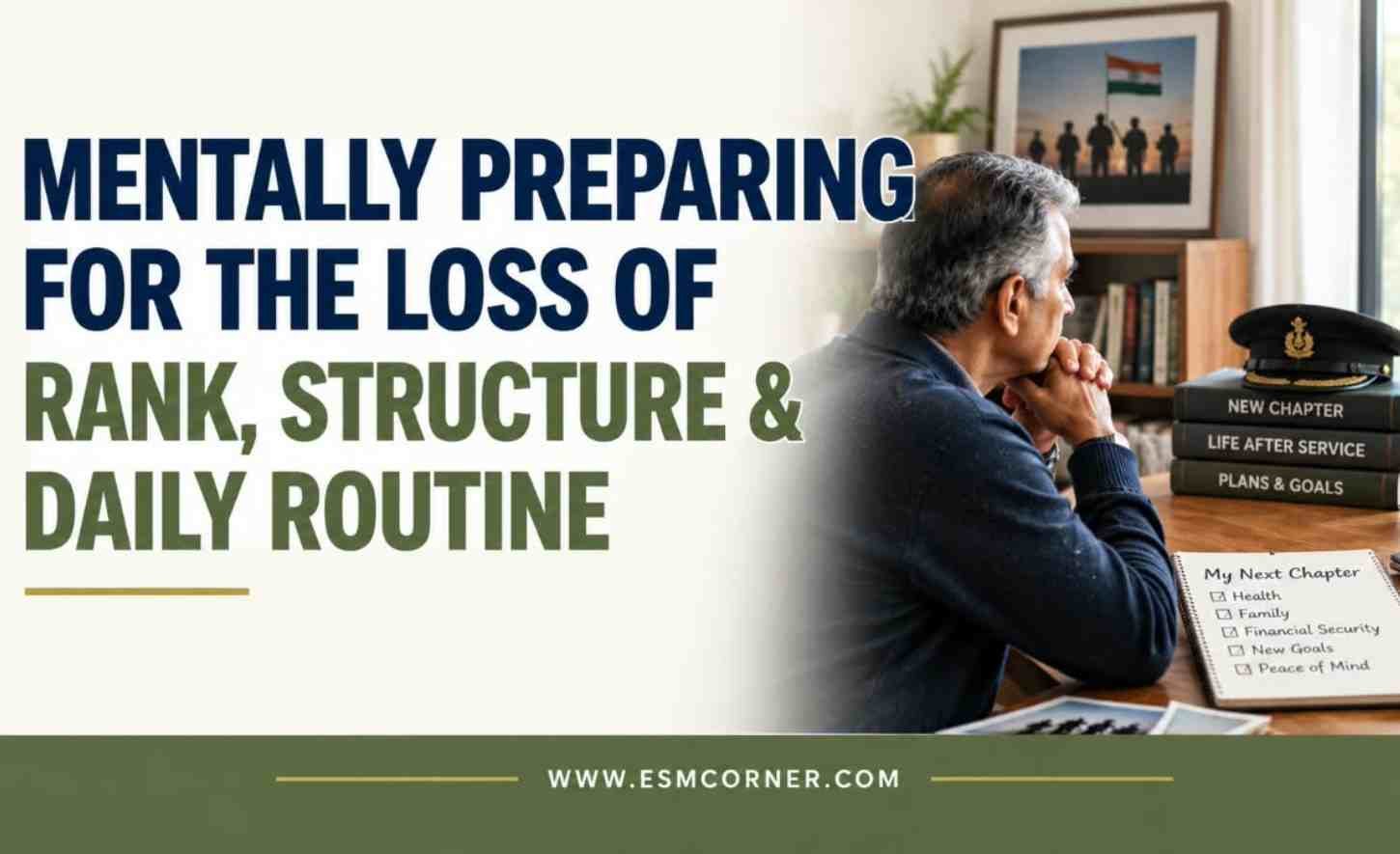
What’s Genuinely Being Lost, Beyond the Job Itself
Beyond the practical logistics of transition, there’s a genuine psychological adjustment involved in losing the rank, structure, and daily rhythm that shaped your life for years, or decades. Mental preparation retirement structure loss involves is worth taking seriously, well before it actually happens.
It’s worth naming this clearly: you’re not just losing employment, you’re losing a clear rank and status others immediately recognised, a highly structured daily routine, and often a tight-knit community built around shared purpose — this is a significant, multi-layered adjustment, not a simple job change. This is exactly the kind of thing that’s easy to overlook until it actually matters.
Why Anticipating This Helps
Simply naming and expecting this adjustment in advance — rather than being genuinely surprised by how significant it feels once it happens — helps you approach the transition with more resilience and self-compassion. Getting comfortable with this takes a little practice, but it does get easier with time.
The Loss of Rank and Recognised Status
In service, your rank instantly communicated your role, experience, and standing. In civilian life, you start without this automatic recognition — this can feel genuinely disorienting initially, even though your actual capabilities and experience haven’t changed at all. This isn’t something you need to figure out perfectly on the very first attempt.
The Loss of Structured Daily Routine
Military life provides an inherently structured daily rhythm — wake times, duties, a clear schedule. Civilian life, particularly during any gap before starting new work, can feel genuinely unstructured and disorienting by comparison, which is why proactively building new structure (covered in more detail elsewhere) matters. A little preparation here goes a long way toward feeling more confident about the rest.
The Loss of Built-In Community
The camaraderie and tight community of military life doesn’t automatically transfer to civilian settings — rebuilding this kind of connection takes conscious, deliberate effort, and it’s genuinely normal to feel this absence during the adjustment period. This is one of those areas where a bit of planning ahead genuinely pays off.
If you’re preparing to re-enter the civilian job market, our Resume Builder Service can help you put your best foot forward.
Practical Ways to Prepare Mentally in Advance
Before you actually retire:
- Consciously reflect on which specific aspects of structure, status, and community you expect to
miss most
- Begin building some civilian-side structure and connections before you actually leave (covered in
more detail elsewhere)
- Talk openly with veterans who’ve already navigated this adjustment about their genuine experience
- Set realistic expectations that this adjustment takes real time, rather than expecting an immediate,
smooth transition Most veterans find this becomes second nature after the initial adjustment period passes.
This Is Genuinely Normal, Not a Personal Failing
Feeling this loss, even alongside excitement for what’s next, doesn’t reflect poorly on you or suggest you made the wrong choice — it reflects how genuinely significant this life transition is. It helps to revisit this every so often, rather than treating it as a one-time task.
When to Seek Additional Support
If this adjustment feels significantly more difficult than expected, or genuinely persists and deepens rather than gradually easing, discussing this with a mental health professional or trusted support resource is a genuinely valuable, proactive step. This is worth discussing with your spouse or family, rather than deciding on it alone.
Final Thoughts
Approaching the psychological adjustment retirement genuinely involves with honest anticipation, rather than surprise, helps you navigate losing routine after service with greater resilience — recognising this as a real, significant transition worth preparing for mentally, not just practically. This is worth thinking through carefully, since it can shape how smoothly the rest of the process goes.
Still have questions? Join our WhatsApp community to connect with fellow veterans and get your queries answered.
Frequently Asked Questions
Q1.What is genuinely being lost beyond just the job itself?
A clear rank and recognised status, a highly structured daily routine, and often a tight-knit community built around shared purpose. This is one of the most practical things to know about mental preparation retirement structure loss.
Q2.Why does it help to anticipate this loss in advance?
Naming and expecting this adjustment in advance, rather than being surprised by how significant it feels, helps you approach it with more resilience and self-compassion.
Q3.Why does losing rank and status feel genuinely disorienting?
In service, your rank instantly communicated your role and standing; in civilian life, you start without this automatic recognition, even though your actual capabilities haven’t changed.
Q4.What practical steps can help prepare mentally before retirement?
Reflecting on what you’ll miss most, building some civilian-side structure and connections early, and talking with veterans who’ve already navigated this adjustment.
Q5.Is feeling this loss a sign something is wrong with my decision to leave?
No, this is genuinely normal and doesn’t reflect poorly on you — it reflects how significant this life transition genuinely is.
Q6.When should I seek additional support for this adjustment?
If it feels significantly more difficult than expected, or persists and deepens rather than gradually easing, discussing this with a mental health professional is a valuable step.
For more articles like this one, browse our Retirement Planning category.